Xi’s India Visit Could Test a Cautious China Reset
Bdbusinessdaily.com – Xi s India visit to help ease a long-running diplomatic chill could offer a useful signal of intent between Asia’s two largest powers. Chinese President Xi Jinping is expected to attend the annual BRICS summit in New Delhi, but any improvement in political dialogue is unlikely to immediately remove the barriers affecting trade, investment and business travel.
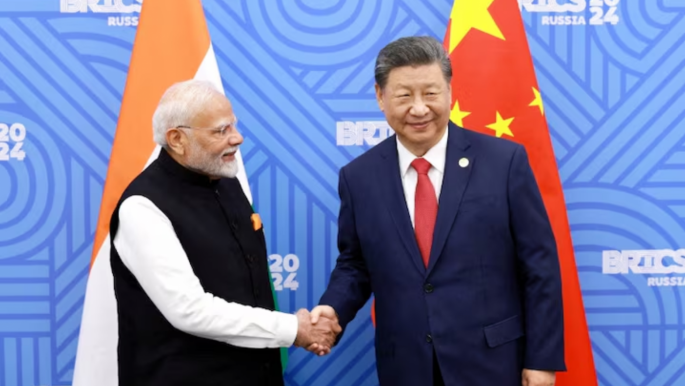
The expected trip would be Xi’s first visit to India in seven years. Beijing had not formally confirmed the visit, and it was unclear whether Xi would hold a substantial bilateral meeting with Indian Prime Minister Narendra Modi. Such talks could show whether both governments are ready to turn a recent thaw into more durable engagement.
Diplomatic progress faces a legacy of mistrust
Relations between India and China have been shaped by decades of strategic suspicion. Their 1962 war remains an important historical reference point, while ties worsened sharply after a 2020 border clash that killed 20 Indian soldiers and four Chinese soldiers.
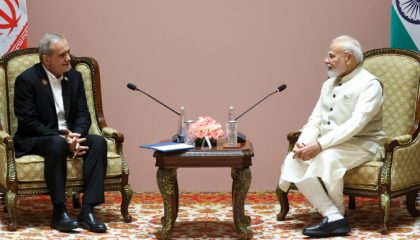
Both sides have since sought to keep the relationship from staying frozen. Modi’s visit to China last year created space for renewed contact, while changing US trade policies have added a practical reason for New Delhi and Beijing to pursue steadier relations.
“China certainly wants to improve ties, but we are waiting to see to what extent India is actually willing to improve them,” said Lin Minwang, a South Asia specialist at Shanghai’s Fudan University and a former diplomat at the Chinese Embassy in New Delhi.
Xi s India visit to help diplomatic engagement may therefore be meaningful without producing an immediate breakthrough. The central challenge is that official language has become more positive faster than confidence among businesses and investors.
Investment rules still limit commercial confidence
India began easing selected restrictions on Chinese investment in March, focusing on electronics, capital goods and solar-cell manufacturing. The sectors are important to India’s industrial growth and supply-chain plans, and New Delhi has also considered faster clearances for some joint ventures involving Indian and Chinese firms.
Some projects have advanced under this more selective approach. A manufacturing partnership involving India’s Dixon Technologies and Chinese smartphone producer Vivo Mobile is one example of investment being permitted where India sees a clear domestic economic benefit.
Yet scrutiny remains a major concern. Chinese vehicle makers BYD and Great Wall Motor put planned investments in India aside after facing closer examination from New Delhi. Companies must also consider China’s own attention to overseas projects involving advanced manufacturing and high-end technology.
Xi s India visit to help improve the atmosphere could make future approvals easier to discuss, but it will not automatically resolve visa problems, delayed clearances, restrictions on industrial equipment or security concerns over cross-border investment.
Technology and security remain sensitive areas
National-security concerns continue to influence economic policy in India. This has made technology, digital services, telecommunications, payments and advanced manufacturing especially sensitive areas for Chinese companies seeking access to the Indian market.
China’s foreign ministry has said Xi and Modi regard their countries as partners rather than rivals and as opportunities rather than threats to each other’s development. The leaders briefly met earlier this month at a regional forum in Kyrgyzstan, but translating that message into broader commercial access will require progress on difficult individual cases.
For businesses, the practical test of Xi s India visit to help relations will be whether the two governments create more predictable rules. A warmer diplomatic tone may reduce uncertainty, but companies are likely to remain cautious until investment, travel and regulatory processes become visibly more consistent.
Frequently Asked Questions
Why is Xi Jinping’s expected India trip important?
It could provide an opportunity for Xi and Modi to assess whether recent diplomatic contact can lead to a more stable relationship after years of tension.
Will the visit immediately improve India-China trade?
No. Trade and investment may benefit from better political communication over time, but businesses still face regulatory scrutiny, security concerns and approval delays.
Which sectors may see greater cooperation?
Electronics, capital goods and solar-cell manufacturing are among the sectors where India has eased selected restrictions on Chinese investment.