IRGC Announces Seizure of American Unmanned Submarine at Hormuz Entrance
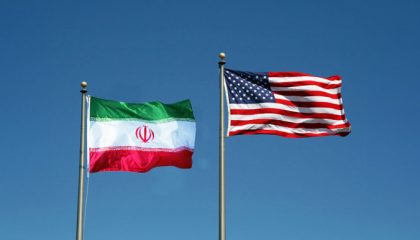
Bdbusinessdaily.com – Iran’s Revolutionary Guards declared on Tuesday, 8 September, that their naval units had taken possession of a state-of-the-art unmanned submarine belonging to the United States. The vessel was reportedly seized at the mouth of the Strait of Hormuz during a coordinated intelligence-and-operations maneuver carried out at first light. The announcement came amid a prolonged military confrontation in West Asia that has kept the world’s most critical energy chokepoint under Tehran’s control since late February.
“The IRGC naval forces captured one of the most modern, unmanned, and smart submarines of the US terrorist army at the entrance to the Strait of Hormuz in a complex intelligence and operational action at dawn today.”
The statement was broadcast on Iranian state television. The Guards indicated that photographic evidence and detailed video recordings of the seized asset would be made public within hours, though no such material had been released at the time of writing.
What Was Taken
Iranian outlets described the captured craft as an unmanned underwater vehicle engineered for a suite of specialized missions. Among its stated capabilities were subsurface reconnaissance and surveillance operations, seabed topographic mapping, detection and inspection of naval mines, and examination of submarine cables and undersea pipelines. Such vehicles operate without a crew aboard, typically launched from a surface ship or deployed from shore, and they can remain submerged for extended periods while gathering intelligence that informs fleet positioning, mine-laying decisions, and infrastructure monitoring.
The designation of the craft as belonging to the “US terrorist army” reflects the IRGC’s consistent rhetorical framing of American military assets. In practical terms, however, the seizure of even a single unmanned platform signals that Iranian forces have achieved a degree of underwater surveillance and interdiction capability within waters they consider their own strategic perimeter.
A Blockade That Has Reshaped Regional Shipping
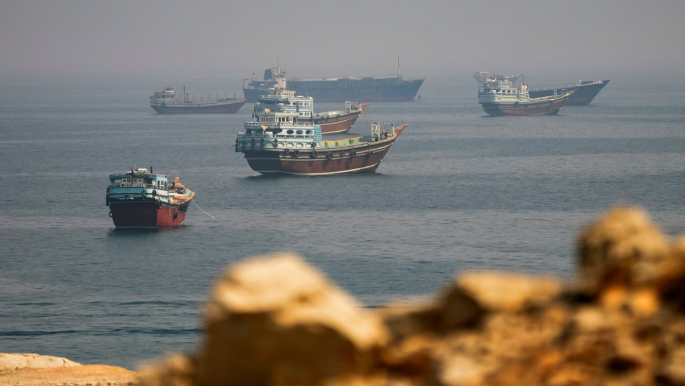
The Strait of Hormuz has remained under Iranian blockade since the conflict escalated in late February. For decades the narrow waterway — barely 33 kilometres wide at its tightest point — has carried roughly one-fifth of the world’s seaborne oil and liquefied natural gas shipments. Tankers, LNG carriers, and bulk vessels that once transited the strait in near-constant flow now face delays, rerouting, or outright prohibition depending on the prevailing rules Tehran enforces.
Washington answered the blockade with its own counter-measure: a naval and economic cordon around Iranian ports, restricting the flow of goods in and out of the country’s coastal terminals. The two-sided squeeze has created a shipping environment unlike anything seen in the region since the 1980s tanker war, with insurers raising premiums and charterers recalculating voyage economics around longer, safer routes.
Tehran’s Fee Proposal and Washington’s Rejection
Amid the standoff, the Iranian government has floated a plan to levy transit fees on vessels that pass through the strait. Revenue from such charges, Tehran argues, would fund environmental-protection services — including oil-spill response, seabed monitoring, and navigation-aid maintenance — that it says have long been underfunded. The United States has voiced strong opposition to the scheme, viewing any unilateral tolling of an international waterway as inconsistent with established maritime law and the freedom-of-navigation principles on which global trade depends.
American Silence and What Comes Next
As of the latest available reporting, the Pentagon and the State Department had not issued a formal comment confirming or contesting the IRGC’s claim. The absence of an immediate Washington response is notable: in prior episodes of naval friction, the United States typically issues a brief statement within hours, either acknowledging the incident or disputing the details. Analysts watching the situation note that the coming hours will hinge on whether Tehran releases the promised imagery and whether American officials subsequently validate the account.
Should the capture be confirmed, it would represent a tangible escalation in the underwater dimension of the conflict — a domain where both navies have invested heavily in quiet-running platforms, sensor networks, and mine countermeasures. It would also sharpen the question of how long the dual blockade can persist before economic pressure forces one side, or both, toward a negotiated de-escalation. For now, the strait remains closed, the fees remain contested, and the fate of the seized submarine awaits public disclosure.
Related Reading
Frequently Asked Questions
What is Iran Guards claim capture of one?
Iran Guards claim capture of one is the main topic of this guide. The article explains the context, practical details, and next steps readers should understand.
Why does Iran Guards claim capture of one matter?
Iran Guards claim capture of one matters because readers are looking for a useful answer, not just a short summary. Good content should match search intent and help them decide what to do next.