Economic Growth Is Not Reaching Every Household in Bangladesh
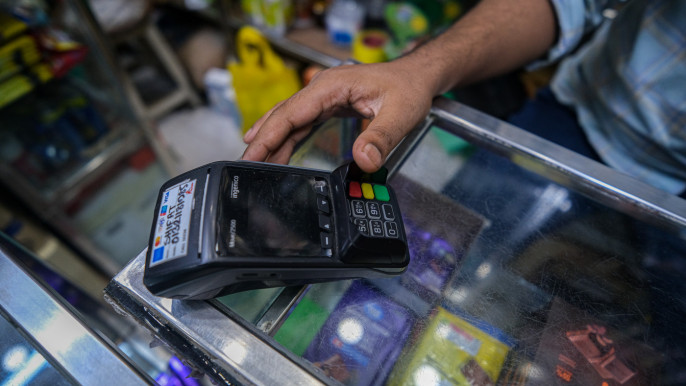
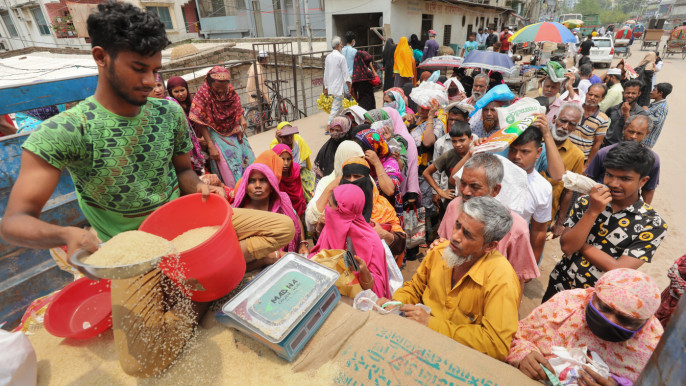
Bdbusinessdaily.com – Bangladesh faces a growing contradiction: an economy associated with expansion, exports and major development projects is leaving a large share of families unable to meet ordinary daily costs without taking on debt. For households already under pressure, even a small rise in food prices, a medical emergency or the loss of work can turn a difficult month into a lasting financial crisis.
The country’s past progress against poverty remains an important achievement. Investments in health, education, rural livelihoods, women’s participation and social support helped demonstrate that a lower-income country could make meaningful social gains with limited resources. Yet the current strain on household finances raises a more urgent question: whether economic progress is strong enough to protect people from falling backwards.
The concern is not limited to people formally classified as poor. A widening group of families may sit just above the official poverty threshold while lacking savings, reliable earnings or access to affordable support in a crisis. This financially fragile population is often described as the “new poor” because its members can be pushed into poverty by shocks that wealthier households could absorb.
Borrowing Has Become Part of Everyday Survival
A Bangladesh Bureau of Statistics survey conducted in October 2026 showed how widespread this pressure has become. It found that 47.42% of households had borrowed money to cover living expenses. Monthly household spending averaged Tk35,311, while average income was only Tk33,513.
The rural picture was even more severe. In those areas, 51.91% of households said they had borrowed to finance essential expenses. Borrowing for a productive investment can sometimes help a family build income. Borrowing simply to buy food, pay utility bills, seek medical care or manage routine expenses signals something more troubling: earnings are no longer sufficient for ordinary life.
Debt can keep a household afloat temporarily, but it also narrows future choices. Loan repayments reduce the money available for nutrition, schooling, treatment and unexpected emergencies. Families may respond by choosing cheaper and less nutritious food, delaying a doctor’s visit, taking children out of school, or selling assets that could otherwise support future income.
These decisions are rarely signs of poor planning. They are often the result of having too little room in a household budget. When income and expenses remain out of balance month after month, debt becomes a substitute for a secure livelihood.
Poverty Can Rise Even During Economic Expansion
Gross domestic product growth, export earnings and infrastructure construction are meaningful measures, but they do not automatically show whether households are gaining economic security. Growth becomes more durable when it produces decent work, raises purchasing power and improves access to essential public services.
The World Bank’s October 2026 assessment projected that Bangladesh’s poverty rate could reach 22.5% in 2026, compared with 18.7% in 2022. Extreme poverty, measured using the international threshold of $3 a day, was estimated to rise from 5.9% to 10.1% over the same period. About 6.2 crore people remain only one economic shock away from slipping into poverty.
Inflation is central to understanding this decline in living standards. Through September 2026, wage growth had remained below inflation for 56 consecutive months. A salary can rise on paper while buying less food, transport, medicine and housing in real terms. For workers whose pay does not keep pace with prices, nominal wage increases offer little protection.
The real test of economic policy is therefore not growth alone. It is whether a person with a job can earn enough to cover basic needs, withstand temporary hardship and avoid dependence on regular borrowing. Employment that does not provide this security cannot reliably lift a family out of poverty.
Structural Problems Limit Household Security
Several long-running weaknesses make the situation harder to resolve. Low private investment, uncertainty in regulation and energy constraints can discourage business expansion. When businesses do not expand, the economy produces too few stable and productive jobs for the people entering the labour force.
Young workers may find themselves underemployed or in jobs that do not use their training. Women also face distinct obstacles to obtaining safe, stable and adequately paid work. Unequal responsibility for unpaid care, concerns about workplace safety and limited access to productive resources can prevent women from contributing fully to the economy. Addressing those barriers is not only a matter of fairness; it is essential for expanding household income and national productivity.
Financial-sector reform is equally connected to poverty reduction. Weak loan recovery, preferential lending and insufficient accountability can direct money away from productive businesses that could create jobs. The consequences of financial misconduct should not be transferred to workers, small enterprises and taxpayers who played no role in creating those losses.
Government capacity is constrained by fiscal weaknesses as well. A limited tax base, tax evasion and unnecessary exemptions restrict the funding available for health, education and social protection. Heavy reliance on indirect taxes can place a greater relative burden on low-income consumers. Taxation is more likely to gain public trust when citizens can see dependable public services in return.
Better Information and Fairer Markets Matter
Timely data on wages, jobs and underemployment are necessary to identify families whose living standards are deteriorating. Without reliable information, policymakers cannot accurately judge whether wages are keeping up with prices, whether job creation is sufficient, or whether assistance is reaching people who need it most. Weak data also weakens public accountability.
External pressures, including climate disasters and regional conflicts, can increase import costs and destroy livelihoods. Bangladesh cannot eliminate every outside shock, but domestic policy determines how fairly those shocks are shared. Market liberalisation should not permit powerful groups to pass excessive costs onto consumers or exploit shortages for private gain.
A stronger response requires more than short-term relief. It demands jobs that provide real purchasing power, a financial system that serves productive activity, broader and fairer public revenue, better labour-market data and social protection that reaches households before they exhaust their savings or accumulate unmanageable debt.
Bangladesh’s earlier success in reducing poverty showed what determined policy can achieve. The task now is to ensure that economic growth offers not merely higher national figures, but a safer and more stable life for the families whose work sustains that growth.
Related Reading
Frequently Asked Questions
What is Bangladesh s new poor?
Bangladesh s new poor is the main topic of this guide. The article explains the context, practical details, and next steps readers should understand.
Why does Bangladesh s new poor matter?
Bangladesh s new poor matters because readers are looking for a useful answer, not just a short summary. Good content should match search intent and help them decide what to do next.