Bangladesh Urged to Review QDENGA Access as Dengue Cases Rise
Bdbusinessdaily.com – With dengue surging experts push for faster consideration of QDENGA, a World Health Organization-prequalified dengue vaccine, alongside the possibility of private-sector imports in Bangladesh. Specialists say an early scientific review could help the country prepare for future outbreaks while authorities continue responding to the current health emergency.
Doctors say wider access for eligible people could potentially reduce severe illness, hospital admissions and deaths. A publicly funded national vaccination programme would require careful planning, funding and regulatory work, but private imports could offer an earlier option for people able to pay if the vaccine is approved.
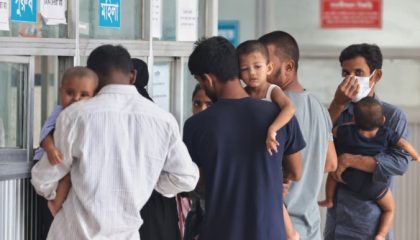
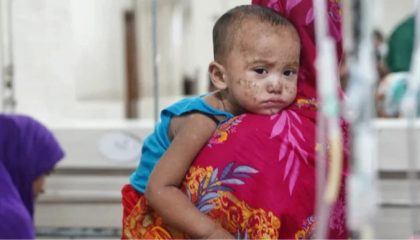
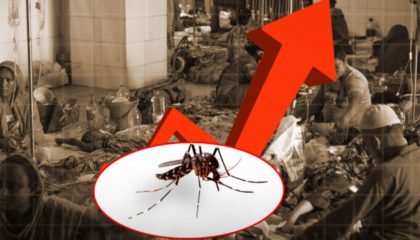
Dengue admissions have continued to rise across Bangladesh. So far this year, 90,356 people have been hospitalised with dengue. In the 24 hours ending at 8am yesterday, 1,935 more patients were admitted and five people died, bringing the year’s death toll to 294, according to the Health Emergency Operation Centre and Control Room of the Directorate General of Health Services.
Government Says a Decision Must Be Evidence-Based
State Minister for Health Dr MA Muhith said the government is open to examining dengue vaccination but will not make a rushed decision. Officials must assess vaccine safety, effectiveness and the population groups that could benefit most in Bangladesh.
“Vaccines are available, but they are still candidate vaccines at various stages of development. We want to make an evidence-based decision after assessing how effective a vaccine would be for our population.”
He said vaccine approval would not immediately alter the present outbreak. The immediate task remains controlling dengue transmission and treating people already affected by the disease.
“Our most urgent task now is to tackle the dengue situation we are facing,” he said.
Vaccination is designed to prevent future illness, not treat an active dengue infection. QDENGA requires two doses given three months apart, meaning any programme would need time before its benefits could be realised.
What Bangladesh Needs to Know About QDENGA
QDENGA, also known as TAK-003, is a dengue vaccine developed by Japan-based Takeda Pharmaceutical. The WHO recommends it for children aged 6 to 16 living in areas with high dengue transmission.
The WHO Strategic Advisory Group of Experts on Immunisation recommended QDENGA in September 2023. The vaccine received WHO prequalification in May 2024, indicating that it met international standards for quality, safety and effectiveness for the settings in which it was assessed.
QDENGA has been approved in 43 countries, including India, and more than 32 million doses have been distributed through public and private programmes worldwide. India authorised the vaccine on 20 July 2026 and plans a commercial launch in the first half of 2027. A two-dose course there is estimated to cost Rs6,000 to Rs12,000.
International approval does not automatically mean Bangladesh should adopt the vaccine. Local regulators and technical experts must determine whether the available evidence supports its use, how it should be delivered and which groups should be prioritised.
Experts Call for a Formal Review Now
With dengue surging experts push for Bangladesh to begin its technical assessment before the next major outbreak creates greater pressure. Dr Fazle Rabbi Chowdhury, associate professor of internal medicine at Bangladesh Medical University and a research fellow at the University of Edinburgh, said the country should evaluate the evidence independently.
“Just because Europe, the US or other countries have approved it does not mean we have to approve it too. Our own technical committee needs to review the scientific evidence for and against the vaccine. But this process should begin now,” he said.
He said a review would not obligate the government to approve or buy QDENGA immediately. Instead, it could give policymakers time to weigh potential benefits, limitations, costs and suitable target groups before the next dengue season.
According to Dr Fazle Rabbi, large clinical trials have shown that QDENGA can provide more than 80% protection against dengue and may reduce dengue-related hospitalisation by about 90%. Vaccinated people may still become infected, but the vaccine could lower the risk of serious disease.
FAQ: QDENGA Vaccine and Dengue Prevention in Bangladesh
Is QDENGA currently available in Bangladesh?
Bangladesh would need to complete its own regulatory and scientific assessment before the vaccine could be formally used or imported through approved channels. People should avoid relying on unverified sellers or unofficial vaccine claims.
Can QDENGA treat someone who already has dengue?
No. QDENGA is a preventive vaccine and does not treat active dengue infection. Anyone with fever, severe abdominal pain, persistent vomiting, bleeding, weakness or breathing difficulty should seek medical care promptly.
Who may be eligible for the vaccine?
The WHO recommends QDENGA for children aged 6 to 16 in areas where dengue transmission is high. Bangladesh would need to establish its own eligibility rules if it approves the vaccine.
Does vaccination replace mosquito control?
No. Eliminating mosquito breeding sites, using protective measures and seeking timely medical attention remain essential. Vaccine access, if approved, would be one part of a broader dengue prevention strategy.