Bangladesh presses India to ease trade restrictions at land ports
Bdbusinessdaily.com – Bangladesh has called on India to remove barriers affecting its exports through Indian land ports, placing market access and smoother border trade at the centre of a fresh round of bilateral discussions in New Delhi.
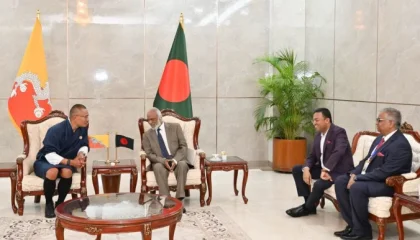
The request was raised during the 16th Bangladesh–India Joint Working Group meeting on trade, a two-day session that brought together officials from both countries to examine longstanding constraints on commerce, transit and transport links.
A 10-member delegation from Bangladesh was led by Ayesha Akhter, additional secretary of the Ministry of Commerce. Alongside the land-port restrictions, the delegation asked India to withdraw anti-dumping duties imposed on Bangladeshi jute goods and PET film.
Maintaining preferences after LDC graduation
Dhaka also focused on the future of tariff preferences as Bangladesh prepares to graduate from the least developed country category. The country sought continued access to existing preferential tariff facilities, including benefits available under the South Asian Free Trade Area agreement.
The issue carries particular importance for exporters because preferential market access can influence the final cost of goods in overseas markets. Bangladesh wants assurances that trade advantages now available to its products will not disappear abruptly after its graduation from LDC status.
Officials discussed the need for practical arrangements that would help preserve predictable trade conditions. Maintaining access to India’s large neighbouring market is seen as an important part of Bangladesh’s wider effort to deepen regional commerce and broaden opportunities for manufacturers.
Standards, certification and border facilities
Bangladesh urged greater alignment of product standards and wider mutual recognition of certification processes. It also requested simpler procedures involving the Bureau of Indian Standards, or BIS, to make it easier for Bangladeshi products to enter the Indian market.
Differences in standards, testing requirements and certification systems can delay shipments even where tariffs are low. Streamlined procedures could reduce paperwork and uncertainty for businesses while allowing regulators to maintain required quality and safety checks.
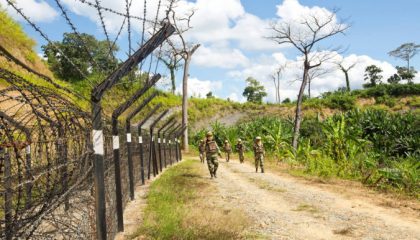
Infrastructure at Indian land customs stations was another major subject of discussion. Bangladesh sought improvements to connecting roads, vehicle parking, warehouses, covered sheds, cargo examination spaces and quarantine facilities.
Delegates also highlighted the need to expand land-port capacity and accelerate clearance of goods. Long waits at border points can raise transport, storage and handling costs, reducing the competitiveness of trade on both sides of the border.
More efficient customs operations and stronger physical infrastructure could therefore have benefits beyond individual shipments. Faster movement of cargo would support smaller traders as well as larger exporters that depend on predictable delivery schedules.
Regional transit and business engagement
Bangladesh requested broader access for its freight vehicles travelling through Indian territory toward Nepal and Bhutan. The proposal reflects a wider interest in improving the movement of goods across South Asia through road, rail and other transport networks.
Dhaka also proposed making the CEOs’ Forum operational. The forum is intended to create more direct contact between business leaders in Bangladesh and India, helping companies identify investment prospects, supply-chain links and new areas for bilateral trade.
Officials from both sides considered ways to improve routes between the two countries, including the Akhaura–Agartala connection. Rail links and unresolved matters involving border haats were also part of the agenda.
Border haats are local trading markets intended to support commerce between communities living close to the frontier. Addressing operational issues around these markets could help strengthen legal cross-border exchange in border areas.
India raises its own trade concerns
India put forward proposals of its own during the meeting. New Delhi suggested removing restrictions on the export of cotton yarn and other products to Bangladesh through specified land ports.
India also asked for steps to ease obstacles affecting goods sent from its northeastern states to Bangladesh. Improved connectivity and broader multimodal transport options were discussed as possible ways to support this trade.
The talks showed that both countries see border infrastructure as a shared commercial concern rather than a one-sided issue. Better roads, rail services, customs systems and cargo facilities can help reduce costs for exporters and importers in both markets.
Bangladesh and India have repeatedly identified stronger regional connections as a route to higher trade volumes. Yet the commercial potential of that relationship depends heavily on how efficiently goods can cross the border in practice.
For Bangladesh, lifting land-port limits, addressing anti-dumping duties and retaining tariff preferences would improve conditions for exporters seeking greater access to India. For India, easier movement from northeastern states and expanded transport links could open further opportunities in the Bangladeshi market.
The Joint Working Group discussions underscored a common objective: reducing the time and expense involved in bilateral trade. Whether that goal is achieved will depend on follow-through on customs reforms, infrastructure upgrades, standards cooperation and the removal of market-access obstacles.
Related Reading
Frequently Asked Questions
What is Bangladesh seeks end to India s land?
Bangladesh seeks end to India s land is the main topic of this guide. The article explains the context, practical details, and next steps readers should understand.
Why does Bangladesh seeks end to India s land matter?
Bangladesh seeks end to India s land matters because readers are looking for a useful answer, not just a short summary. Good content should match search intent and help them decide what to do next.