Sirajganj’s Wetlands Stir With an Early Return of Migratory Birds
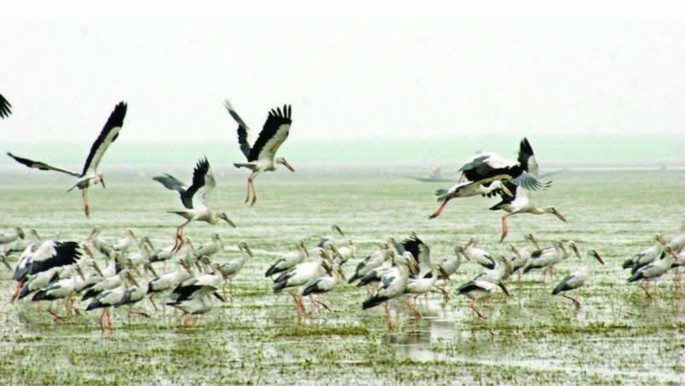
Bdbusinessdaily.com – Wetlands, canals and rivers across Sirajganj are beginning to fill with the sound and movement of migratory birds before the full onset of winter. In Tarash upazila, the area surrounding Ulupur Dighi has become a particularly visible gathering point, as visiting birds settle in trees around the pond and draw growing numbers of local residents.
By afternoon, people gather along the water’s edge to watch flocks feed, circle above the wetlands and return to their resting places in the trees. Students, bird enthusiasts and other visitors have been arriving to observe the seasonal spectacle, with many taking photographs and selfies during their visits.
Ulupur Dighi becomes a seasonal refuge
The trees around Ulupur Dighi now carry the calls of birds that have travelled long distances to reach Bangladesh. Residents say the pond and its surrounding vegetation have gradually become a dependable habitat, giving birds food, cover and a comparatively secure place to rest.
“Every afternoon, people from different walks of life gather here to see the birds. The number of visitors is increasing every day,” said a local bird enthusiast.
The attraction is not limited to Ulupur Dighi. The historic Chalan Beel and other water-rich landscapes in the district provide extensive feeding areas and shelter for numerous species. Thousands of birds have already been noticed in Sirajganj’s wetlands during the current season, local people said.
Winter visitors to the region include egrets, badar, Lalmon, Soli, Asian openbills, whistling ducks, Kaiyum and Bagar birds. Their presence changes the character of the otherwise quiet water bodies, especially late in the day when larger groups can be seen moving between feeding grounds and roosting trees.
Why Bangladesh draws wintering birds
Migratory birds leave their native areas when severe winter conditions make survival more difficult and travel toward places with milder weather and more favorable opportunities for food and breeding. Bangladesh is an important destination because of its moderate winter climate and broad network of rivers, ponds, beels, coastal wetlands and other water habitats.
Many species begin reaching Bangladesh from September through October. Their numbers commonly rise further during December and January, when winter conditions are more established. The annual arrival offers a reminder of how closely bird migration is linked to the health of wetlands and the availability of undisturbed natural shelter.
Bangladesh has recorded 744 bird species, including 301 resident species. The migratory season therefore adds another layer to an already diverse bird population, while also highlighting the importance of conserving habitats that support both year-round and seasonal wildlife.
Natural beauty alongside conservation concerns
For people living near Tarash’s wetlands, the birds have become part of the season’s identity. Flocks over open water, birds searching for food near the banks and evening returns to the trees create a landscape that attracts visitors as well as nature lovers. The scene around ponds and greenery can be striking, particularly when large numbers of birds settle near calm water.
“The birds come here mainly in search of food and safety. When winter is over, they return to their native habitats,” said District Livestock Officer Dr AKM Anwarul Hoque.
Yet increased public interest also brings a need for care. Visitors can enjoy the birds without disturbing their resting and feeding areas, while the pond, its trees and nearby wetlands require protection if they are to remain suitable for future migrations. Local residents and bird lovers have called for effective steps to safeguard Ulupur Dighi, its surrounding vegetation and other wetland habitats in the district.
Dr Hoque also raised concern about the hunting and killing of migratory birds. Such threats, along with other pressures on habitats, have contributed to declining bird numbers in many places. Public awareness and vigilance are essential to ensuring that birds can use these sites safely throughout the winter.
As the season advances, Tarash’s wetlands are serving a role beyond that of feeding grounds. They offer a living display of biodiversity and show what can flourish when water bodies, trees and open natural spaces are protected. For Sirajganj residents, the yearly return of migratory birds is both a source of enjoyment and a reason to value the wetlands that make the journey possible.
Related Reading
Frequently Asked Questions
What is Sirajganj wetlands come alive with arrival?
Sirajganj wetlands come alive with arrival is the main topic of this guide. The article explains the context, practical details, and next steps readers should understand.
Why does Sirajganj wetlands come alive with arrival matter?
Sirajganj wetlands come alive with arrival matters because readers are looking for a useful answer, not just a short summary. Good content should match search intent and help them decide what to do next.