Bangladesh’s Proposed SRB Bill Faces Sharp Criticism Over Accountability Gaps
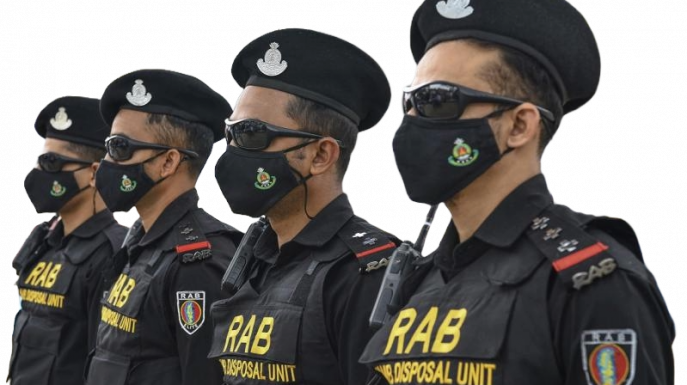
Bdbusinessdaily.com – Parliament in Dhaka is weighing legislation that would dismantle the Rapid Action Battalion (RAB) and replace it with a newly created Special Response Battalion (SRB) operating under the police. However, Transparency International Bangladesh (TIB) has cautioned that, absent deep structural overhauls, the proposed unit risks replicating the very abuses that plagued its predecessor while wielding even wider discretionary authority.
In a statement released on 6 September, TIB laid out a detailed critique of the Special Response Battalion (SRB) Bill, 2026, which had been tabled in parliament the previous week. The organisation argued that the draft statute grants the prospective SRB sweeping yet loosely articulated powers — most notably the ability to carry out searches and effect arrests on the basis of mere suspicion, without first obtaining judicial warrants. For a country still grappling with public distrust of coercive state institutions, such latitude raises serious civil-liberties questions.
Specific Provisions Drawn into Question
TIB identified several clauses in the bill that, in its assessment, fall short of internationally recognised policing standards. Among them:
Rules governing the use of firearms and physical force were flagged as insufficiently constrained, leaving officers broad discretion in high-pressure situations. Internal grievance and complaint mechanisms embedded within the unit itself were criticised for creating inherent conflicts of interest, since the body investigating its own conduct would answer to the same chain of command. The bill’s provision for transferring existing RAB personnel into the SRB without a rigorous, transparent vetting process was also singled out, with TIB arguing that unexamined carry-over of staff would import old institutional habits into the new structure.
Perhaps the most pointed objection concerned a clause permitting members of the Bangladesh Armed Forces to serve in the SRB on deputation. TIB warned that embedding military personnel within a domestic policing framework could normalise combat-oriented tactics in everyday law enforcement, blurring the line between battlefield conduct and civilian rights protection.
“Simply changing the name of a force does not constitute institutional reform,” said Iftekharuzzaman, Executive Director of TIB.
He stressed that the documented record of extrajudicial killings, enforced disappearances, and torture linked to RAB over the years makes it imperative to redesign the successor unit’s architecture from the ground up — including its personnel composition, scope of authority, rules of engagement, and external accountability channels.
“Otherwise, creating a force with the same powers and culture under the name ‘SRB’ would amount to merely changing the shell of the old institution,” he added.
What TIB Is Asking Parliament to Do
The anti-graft watchdog urged legislators to strike the armed-forces deputation clause permanently, contending that its presence would elevate the probability of militarised approaches to civilian policing. More broadly, TIB framed the abolition of RAB as a once-in-a-generation opportunity to build a genuinely reformed specialised police capability. Its specific recommendations included:
Clearly delineated statutory limits on the SRB’s investigative and coercive powers; independent external oversight bodies with real investigative teeth; transparent, criteria-based vetting of every officer assigned to the unit; robust judicial safeguards before any deprivation of liberty; and effective, accessible complaint and redress mechanisms that operate outside the unit’s own hierarchy.
Parliamentary Process and Timeline
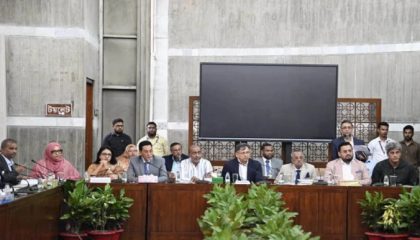
Home Minister Salahuddin Ahmed introduced the bill in parliament on 3 September, presenting it as a measure to dissolve RAB and establish the SRB within the police structure. Following introduction, the bill was referred to the Parliamentary Standing Committee on the Ministry of Home Affairs for detailed scrutiny. The committee was directed to complete its review and submit a report within four working days — a compressed timeline that leaves limited room for broad public consultation or expert input.
Why the Question Matters
RAB, established in 2004 as a counter-insurgency and rapid-response unit, has long occupied a contested place in Bangladesh’s security landscape. Supporters credit it with quick intervention in high-profile cases; critics point to years of allegations of custodial abuse, unaccountable detention, and opaque internal discipline. The unit’s powers to arrest without warrant, detain suspects for extended periods, and operate with limited judicial oversight have made it a recurring flashpoint in debates over civil liberties and rule of law.
The proposed transition to an SRB therefore carries weight well beyond a bureaucratic rebrand. If the new unit inherits the same operational culture, the same unchecked discretion, and the same insular complaint architecture, citizens and civil-society actors will have little reason to expect improved protection of rights. Conversely, if parliament uses the window created by RAB’s dissolution to embed independent oversight, judicial pre-approval requirements, and transparent personnel standards, the SRB could become a model of accountable specialised policing in South Asia.
The four-day committee review now underway will determine whether the bill reaches the floor with meaningful amendments or passes largely intact. For millions of Bangladeshis who have experienced or witnessed the excesses of the old unit, the answer to that question will shape public confidence in the state’s capacity to police without overreach.
Related Reading
Frequently Asked Questions
What is Proposed SRB could recreate RAB?
Proposed SRB could recreate RAB is the main topic of this guide. The article explains the context, practical details, and next steps readers should understand.
Why does Proposed SRB could recreate RAB matter?
Proposed SRB could recreate RAB matters because readers are looking for a useful answer, not just a short summary. Good content should match search intent and help them decide what to do next.