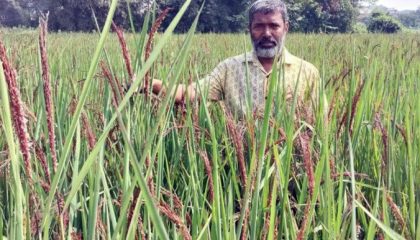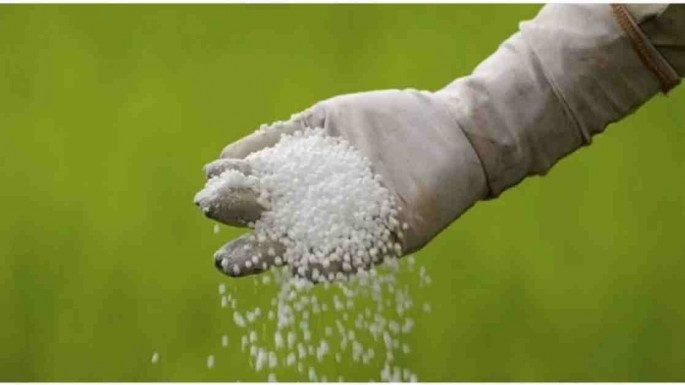
Farmers Press for Fertiliser Access as Aman Season Demand Intensifies
Bdbusinessdaily.com – Farmers across several northern districts are facing growing difficulty buying fertiliser at official prices during the crucial Aman cultivation period, even as authorities insist that national and local reserves are sufficient. Complaints centre on limited availability of non-urea fertilisers, especially DAP and TSP, and on prices in open-market shops that are substantially higher than government-fixed rates.
The dispute has become particularly visible in Rajshahi, Kurigram and Naogaon. Farmers say regular dealer outlets are not meeting their needs, while officials and dealers point to panic purchases, uneven demand and attempts to create artificial shortages. Local administrations have begun monitoring sales and using mobile courts against hoarding and excessive pricing.
Higher prices and limited supplies in Rajshahi
In Rajshahi, many cultivators have gone repeatedly to dealer warehouses in search of DAP and TSP without success. Some facilities have remained closed, farmers say, while fertiliser available outside the dealer network is being offered at much higher prices.
A sack of TSP has an official price of Tk1,350, but farmers say it has been sold in the open market for about Tk2,000. DAP, set at Tk1,050, has reportedly been offered for Tk1,400. MOP, priced at Tk1,000 through dealers, has been found in outside shops at around Tk1,350.
The situation prompted a protest in Baneshwar, Rajshahi, on Monday. More than 100 farmers from nearby areas blocked the Rajshahi-Natore highway for roughly an hour, demanding higher allocations and protesting what they described as a manufactured fertiliser crisis. Their concern was straightforward: without timely inputs, field preparation and crop cultivation become more difficult.
“DAP and TSP fertiliser are in severe shortage. We are not getting these fertilisers. The allocation of these two types of fertiliser needs to be increased,” said Azizul Islam, a farmer from Baneshwar.
Azim Uddin, who farms in Haripur Union of Paba upazila, said DAP and TSP could not be obtained through the normal sales system. That has left farmers dependent on higher-priced shops when they can find supplies at all.
Dealers have also sought larger allocations. They have urged stronger oversight to ensure fertiliser intended for crop land is not redirected to the fisheries sector, a concern that they say can add pressure to local availability.
Officials cite large warehouse reserves
Rajshahi Divisional Commissioner Yusuf Ali rejected the view that the district was experiencing a fertiliser crisis. After visiting a Bangladesh Agricultural Development Corporation warehouse at Naodapara on Tuesday, he said government facilities held adequate volumes of urea and non-urea fertiliser.
BCIC buffer warehouses contained 9,804 tonnes of urea, 430 tonnes of TSP and 85.5 tonnes of DAP, he said. BADC warehouses had 6,312 tonnes of TSP, 801 tonnes of MOP and 4,348 tonnes of DAP.
Those figures illustrate the central issue behind the competing claims: stock held in warehouses does not necessarily resolve complaints at the retail counter. Farmers are focused on whether the fertiliser they need is available in the right place, at the required time and at the official price. Authorities, meanwhile, stress total inventories and the distribution allocations set for the district.
Rajshahi’s monthly TSP allocation stands at 1,045 tonnes, while stocks were around 6,300 tonnes. The district’s monthly urea allocation was 5,700 tonnes, and one warehouse alone held roughly 10,000 tonnes of urea.
“There is no crisis of fertiliser. Fertiliser is being regularly supplied to dealers according to the allocation of the agriculture ministry, and they are selling it through their shops,” Yusuf Ali said.
He said misleading information circulating outside official channels had contributed to concerns about scarcity.
Kurigram farmers describe a different experience
In Kurigram, the disagreement follows a similar pattern. Farmers say they cannot purchase fertiliser in line with their field requirements. Agricultural officials and dealers say some buyers are seeking larger quantities because they fear supplies could become even tighter later.
Rasheda Begum of Sonahat Union in Bhurungamari said she spent several days looking for TSP before managing to purchase one sack. Her husband and son had earlier visited dealers but returned without any fertiliser.
Nuruzzaman, another farmer from the same union, said the amount offered to growers had declined as pressure increased at dealer points. At first, each farmer could receive one sack, he said; later, one sack was being shared among five farmers.
“I need urea and DAP, but they are giving TSP. The fertiliser needed for the field has to be provided. But I am not getting even half of what I need,” he said.
The Kurigram district administration increased attention to dealer points as demand grew. The response reflects the importance of retail-level monitoring during a busy cultivation season, when delays can force growers to travel farther, pay more or alter their planned use of fertiliser.
Why distribution matters during cultivation
Fertiliser availability is not measured only by aggregate stock figures. For a farmer preparing land or managing a crop at a particular stage, access depends on the local dealer’s supply, the product type available and the price charged. A stockpile of one fertiliser cannot always replace the specific input sought for a field.
The complaints from northern districts therefore point to a gap between supply held in the system and supplies reaching growers through authorised channels. Farmers want DAP, TSP, MOP and urea to be obtainable in appropriate quantities without being pushed into more expensive informal purchases.
For officials, the immediate challenge is to keep distribution regular, enforce fixed prices and prevent hoarding or diversion. For growers, the priority remains timely access before the Aman season advances further. The conflicting accounts are likely to keep pressure on local authorities to show that warehouse stocks are translating into fertiliser on dealer shelves.
Related Reading
Frequently Asked Questions
What is Fertiliser shortage claims grow despite govt?
Fertiliser shortage claims grow despite govt is the main topic of this guide. The article explains the context, practical details, and next steps readers should understand.
Why does Fertiliser shortage claims grow despite govt matter?
Fertiliser shortage claims grow despite govt matters because readers are looking for a useful answer, not just a short summary. Good content should match search intent and help them decide what to do next.