Swapan Calls for Action Against Barriers to Women’s Equality
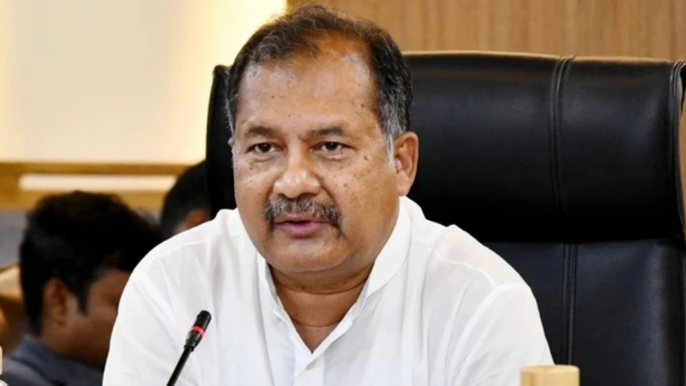
Bdbusinessdaily.com – Bangladesh’s efforts to strengthen gender equality will remain incomplete unless persistent social barriers, including patriarchal attitudes and distorted interpretations of religion, are confronted, Prime Minister’s Political Adviser Zahir Uddin Swapan said on 29 October.
Speaking at the IDG Carnival 2026 in the capital, Swapan said women and girls must have fair access to education, jobs, leadership roles and decision-making if the country is to achieve a more inclusive and developed future.
“Misinterpretation of religion and patriarchal attitudes remain major challenges to achieving gender equality and ensuring women’s empowerment in Bangladesh. These challenges must be addressed if we are to build an equitable, inclusive and developed Bangladesh.”
The programme was arranged by Save the Children in Bangladesh to observe the International Day of the Girl. Its theme, “Rooted in Every Region, Advancing Every Adolescent Girl”, reflected a focus on ensuring that girls from different communities can participate fully in society and realise their potential.
Equal opportunity at the centre of empowerment
Swapan said reducing the existing gap between women and men must go hand in hand with expanding opportunities for women in key areas of public and private life. He highlighted education, employment, leadership and decision-making as essential fields where equality must be meaningfully protected.
For adolescent girls in particular, access to these opportunities can shape their ability to continue learning, pursue work, build confidence and take part in choices that affect their lives. The discussions at the carnival focused on obstacles that can prevent girls from reaching those opportunities, including barriers related to education, employment, entrepreneurship, leadership and participation in public decisions.
The prime minister’s adviser said gender equality and women’s empowerment hold an important place in the government’s vision for Bangladesh’s future. At the same time, he stressed that government action alone would not be enough to meet those goals.
“Save the Children’s experience, support and partnerships can make an important contribution in this regard.”
He expressed hope that the organisation would continue working with the government to advance women’s rights, challenge discrimination and help build a fairer society.
Girls’ voices and leadership
The IDG Carnival brought together policymakers, development partners, young representatives and other stakeholders. The gathering created space to discuss the rights of girls and adolescent girls, as well as the importance of their leadership and meaningful involvement in social and policy discussions.
Participants emphasised that empowerment is not limited to offering services or programmes. Girls and young women also need to be listened to, represented and included in decisions. Creating room for them to share their experiences and priorities can help institutions better understand the challenges they face.
Speakers also underlined the need for safe, welcoming and supportive surroundings where adolescent girls are treated with respect. Families, communities, public institutions, development partners and other organisations all have a role in ensuring that girls’ needs and perspectives are recognised.
Such coordination matters because barriers to equality often extend beyond any one setting. Support at home, access to education, safety in communities, opportunities in the workplace and representation in leadership can all influence whether a girl is able to participate confidently and independently in society.
Prominent guests attend the event
Dr Md Saimum Parvez, special assistant to the prime minister on environment, forest and climate change, attended the programme as guest of honour.
Members of Parliament Helen Zerin Khan, Mahmuda Habiba and Mansura Akter joined as special guests. Dr Eliza Azei, head of the Adolescents and Youth Programme at UNFPA Bangladesh, was also present.
The event was organised through Save the Children in Bangladesh’s SWOCCHAR project. It served as a platform for strengthening shared efforts to protect and promote the rights of girls and adolescent girls.
A wider commitment to inclusion
Calls for women’s empowerment are closely linked to the broader goal of ensuring that girls can grow into adulthood with equal dignity, opportunity and influence. Education can open pathways to knowledge and skills, while employment and entrepreneurship can strengthen economic participation. Leadership opportunities and representation in decision-making can ensure that women and girls have a role in shaping policies and institutions.
Participants at the carnival expressed the view that expanding equal opportunities for adolescent girls, raising the visibility of their voices and increasing their involvement in policymaking could support a more equitable and inclusive Bangladesh.
Swapan’s remarks placed particular attention on the social attitudes that can stand in the way of that progress. Addressing discrimination requires more than recognising equality as a goal; it also requires sustained cooperation among government bodies, civil society, families, communities and development partners.
The message from the gathering was that girls and adolescent girls should not be seen merely as beneficiaries of development. Their perspectives, abilities and leadership are vital to building communities where every person has the chance to contribute and thrive.
Related Reading
Frequently Asked Questions
What is Misinterpretation of religion patriarchal mindsets hinder?
Misinterpretation of religion patriarchal mindsets hinder is the main topic of this guide. The article explains the context, practical details, and next steps readers should understand.
Why does Misinterpretation of religion patriarchal mindsets hinder matter?
Misinterpretation of religion patriarchal mindsets hinder matters because readers are looking for a useful answer, not just a short summary. Good content should match search intent and help them decide what to do next.