Bangladesh and IMF Prepare Two Weeks of Talks to Refine Loan Proposal
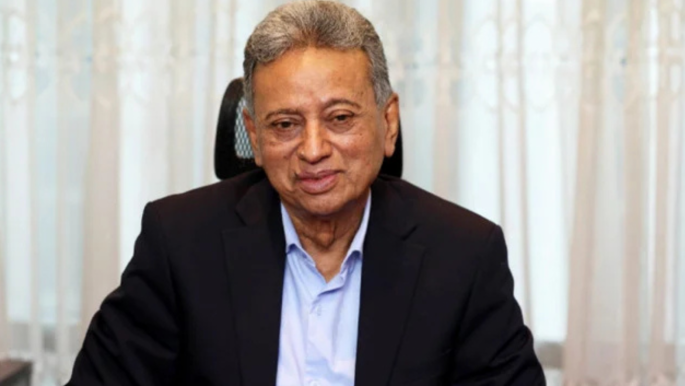
Bdbusinessdaily.com – Bangladesh is set to enter another round of discussions with the International Monetary Fund as officials work to settle the remaining details of the country’s proposed financing arrangement. Finance Minister Amir Khosru Mahmud Chowdhury said the talks will begin next week and continue for two weeks, with both sides aiming to resolve outstanding matters and move closer to an agreement.
The minister made the remarks after meeting IMF representatives in Bangkok on 16 October, during the 2026 annual meetings of the IMF and World Bank Group. Those meetings are being held in the Thai capital from 12 to 18 October and have brought together governments, global lenders and development institutions to discuss economic priorities.
“In principle, everything is fine. Now, the two teams will sit together to discuss how to close the deal,” Amir Khosru Mahmud Chowdhury said.
Focus on completing the proposal
The Bangkok meeting centred on the final assessment of Bangladesh’s submission to the IMF. While the minister indicated that there is agreement in principle, the upcoming negotiations are expected to determine how the proposal is concluded and how unresolved elements are addressed.
Loan discussions with the IMF are significant because they typically involve more than the size or timing of financial support. They also provide a framework for dialogue on economic management, public finances and the measures a country may use to maintain stability while pursuing development goals. The next two weeks of engagement will therefore be important in turning broad alignment into a finalised arrangement.
For Bangladesh, the process comes at a time when cooperation with international financial institutions remains a key part of its wider development planning. The finance minister said multilateral organisations are closely engaged with the country and that Bangladesh has continued support from a range of partners.
Development partners show continued interest
Khosru said the World Bank, IMF, Asian Development Bank and Japan International Cooperation Agency are among the organisations interested in supporting Bangladesh. The involvement of both multilateral and bilateral partners gives the government access to different forms of assistance, including financing, technical engagement and support for development programmes.
The minister stressed that the year ahead will be especially important for Bangladesh, adding that development partners share this assessment. His comments suggest that the government sees the coming period as a critical stage for advancing its economic and development agenda while maintaining close coordination with international institutions.
International lenders often work alongside one another, even though each organisation has its own mandate and financing tools. The IMF generally focuses on macroeconomic stability and policy discussions, while development banks can support longer-term investment, institutional reforms and sector-based programmes. Cooperation among these partners can help align immediate financing needs with broader national priorities.
Five-year development framework
Bangladesh has prepared a development framework covering the next five years, Khosru said. He did not provide details of the framework during his remarks, but its existence indicates that the government is presenting its discussions with external partners within a longer-term planning approach.
The minister also said Dhaka has proposed signing a Country Partnership Framework with the World Bank. Such frameworks are used to set out areas of cooperation between a country and the World Bank over a specified period, helping to connect national development objectives with possible World Bank support.
A prospective partnership framework could give Bangladesh and the World Bank a clearer basis for identifying priorities, sequencing programmes and coordinating development assistance. It would also sit alongside Bangladesh’s engagement with the IMF, the Asian Development Bank, JICA and other partners.
Why the Bangkok meetings matter
The annual meetings of the IMF and World Bank Group provide a setting for governments to hold direct discussions with major financial institutions and development partners. For Bangladesh, the gathering in Bangkok has created an opportunity to review the loan proposal with the IMF while also discussing future cooperation with the World Bank and other organisations.
The minister’s statement points to a process that is progressing but not yet complete. Agreement in principle is an important step, yet the final outcome will depend on the detailed discussions scheduled to begin next week. Those talks will determine how Bangladesh and the IMF close the remaining gaps in the proposal.
As Bangladesh prepares for those negotiations, attention will remain on the terms that emerge from the discussions and on how the proposed IMF arrangement fits within the government’s five-year development framework. The country’s broader engagement with the World Bank, Asian Development Bank, JICA and other partners will also be important as policymakers seek support for the priorities ahead.
Related Reading
Frequently Asked Questions
What is Bangladesh IMF to work out details?
Bangladesh IMF to work out details is the main topic of this guide. The article explains the context, practical details, and next steps readers should understand.
Why does Bangladesh IMF to work out details matter?
Bangladesh IMF to work out details matters because readers are looking for a useful answer, not just a short summary. Good content should match search intent and help them decide what to do next.