Bangladesh Explores Energy Imports from Algeria as Regional Supply Risks Rise
Bdbusinessdaily.com – Bangladesh is considering a new energy partnership with Algeria that could include imports of liquefied natural gas and liquefied petroleum gas, as uncertainty affecting Middle Eastern supply routes encourages countries across South Asia to seek alternatives.
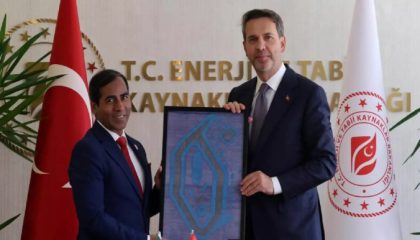
Energy Minister Iqbal Hassan Mahmood met Algerian Ambassador to Bangladesh Abdelouahab Saïdani on 11 October to discuss potential cooperation in the energy sector. The talks included the prospect of memoranda of understanding covering LNG and LPG supplies. Energy Secretary Md Ziaul Huq also attended the meeting.
The discussions come at a time when shipping disruptions around the Strait of Hormuz have sharpened concerns over the reliability of conventional energy delivery routes. For Bangladesh, a country that depends on imported fuel to support power generation, industry and household consumption, broader supplier options can offer greater flexibility during periods of market or transport disruption.
Why Algeria Has Drawn Attention
Algeria’s location on North Africa’s Mediterranean coast gives it a different shipping connection to South Asia from many Gulf-based producers. Cargoes departing Algeria for South Asian markets can avoid the Strait of Hormuz, a strategically important waterway through which a large share of the region’s energy trade normally passes.
That routing difference has made Algeria a more relevant option as South Asian countries assess how to reduce exposure to potential bottlenecks in the Middle East. A wider supply network does not eliminate energy-market pressures, but it can lessen the impact of disruption concentrated in one corridor or one group of producers.
Algerian LNG and LPG shipments have historically been directed largely toward European buyers. Changes in geopolitical conditions, however, have increased interest among South Asian importers in suppliers outside their usual purchasing patterns. Bangladesh’s engagement with Algeria reflects this broader effort to identify commercially and logistically workable energy sources.
LNG and LPG Serve Different Needs
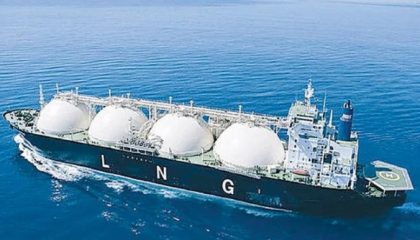
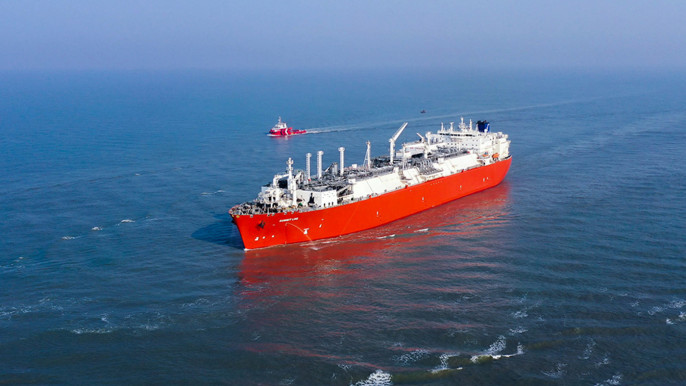
LNG and LPG are often discussed together, but they play distinct roles in an energy system. Liquefied natural gas is natural gas cooled to a liquid state for transport by specialised vessel. After reaching a receiving terminal, it is converted back into gas and can be supplied into a national gas network for uses such as electricity production, manufacturing and other commercial activity.
LPG, by contrast, is commonly used as a fuel for cooking, heating and smaller-scale commercial purposes. It is typically sold and distributed in cylinders or bulk quantities. Stable LPG availability is particularly important for households and businesses that do not have access to pipeline gas or use it as an alternative fuel source.
Any future arrangements with Algeria would therefore need to address more than the volume of fuel involved. The practical questions include delivery schedules, shipping capacity, pricing terms, receiving infrastructure and the ability of domestic distribution systems to handle supplies efficiently. Memoranda of understanding can create a framework for continued discussions, though they do not necessarily amount to immediate purchase contracts.
Energy Security Through Diversification
For Bangladesh, diversifying import sources is closely linked to energy security. Relying heavily on a limited number of suppliers or routes can leave buyers more exposed when geopolitical tensions, freight constraints or other interruptions affect deliveries. Building relationships with a broader range of producers can provide additional options when conditions change quickly.
The possible Algeria initiative also highlights the importance of transport geography in energy planning. Supply is not only a matter of whether a producer has fuel available; the route from the exporter to the buyer can be equally significant. Delays or risks along a major maritime passage may affect freight costs, delivery timing and market confidence.
Bangladesh’s interest in Algerian LNG and LPG does not mean that established Middle Eastern suppliers will cease to matter. Rather, the move signals a search for resilience through a more varied import portfolio. For consumers, businesses and policymakers, that approach is relevant because energy supply disruptions can affect electricity availability, industrial operations, fuel prices and household costs.
Diplomatic Engagement and Upcoming Visit
The meeting between Mahmood and Saïdani also addressed preparations for Prime Minister Tarique Rahman’s upcoming visit to Algeria. Energy cooperation could become one area of discussion during the visit, alongside the broader relationship between the two countries.
Diplomatic engagement is often an important early stage in energy trade, particularly when potential buyers and sellers are looking at new markets. Government-level discussions can help identify shared interests and establish channels for technical, commercial and policy negotiations that may follow.
Whether Bangladesh ultimately proceeds with Algerian imports will depend on the terms that emerge from those discussions and on wider energy-market conditions. Still, the talks point to a clear priority: securing dependable fuel supplies while reducing vulnerability to disruptions along traditional Middle Eastern shipping routes.
Related Reading
Frequently Asked Questions
What is Bangladesh eyes Algerian LNG LPG imports?
Bangladesh eyes Algerian LNG LPG imports is the main topic of this guide. The article explains the context, practical details, and next steps readers should understand.
Why does Bangladesh eyes Algerian LNG LPG imports matter?
Bangladesh eyes Algerian LNG LPG imports matters because readers are looking for a useful answer, not just a short summary. Good content should match search intent and help them decide what to do next.