Dengue Death Toll Rises as More Than 2,000 Patients Are Admitted in a Day
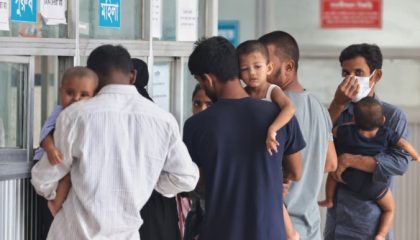
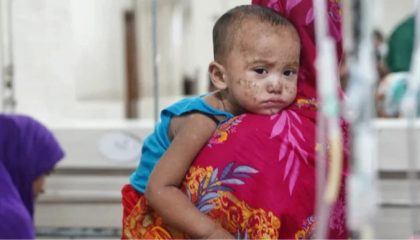
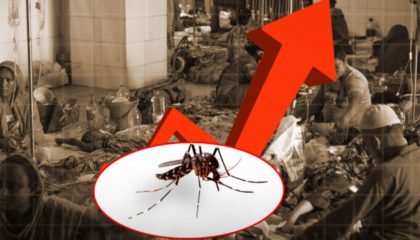
Bdbusinessdaily.com – Dengue – Bangladesh recorded another severe day in its dengue outbreak, with six deaths and 2,089 new hospital admissions registered over the latest 24-hour period. The new fatalities bring this year’s national dengue death toll to 262, while the cumulative number of reported infections has climbed to 86,458.
The continuing flow of admissions underlines the pressure created by mosquito-borne illness across the country. Health facilities also discharged 1,865 dengue patients during the same period, raising the total number of people released after recovery this year to 80,347.
Deaths recorded in three areas
Two of the six newly reported deaths occurred in Dhaka South City Corporation. Khulna division accounted for three deaths, while Mymensingh division recorded one.
The figures were released on 4 October by the Health Emergency Operation Centre and Control Room of the Directorate General of Health Services. They show that dengue remains a nationwide health concern, affecting both major urban centres and regions beyond the capital.
The rise in hospital admissions means patients, families and medical workers must continue to watch closely for symptoms that can worsen quickly. Dengue can begin with fever and other flu-like discomforts, but people experiencing serious or worsening symptoms should seek medical attention promptly. Timely assessment is particularly important when symptoms become more intense rather than improving.
September was the deadliest month so far
September produced the highest monthly dengue death toll of the year, with 148 lives lost. That total sharply exceeded the number of deaths recorded in earlier months and reflected the scale of the public-health challenge during the peak period.
From January through May, dengue claimed five lives. The monthly toll then rose to 13 in June, 36 in July and 43 in August before reaching its September high.
This progression illustrates how rapidly the impact of dengue intensified over the middle of the year. The latest daily figures indicate that the danger has not yet disappeared, even as thousands of patients have recovered and returned home from hospital.
What the latest totals show
With 86,458 reported cases so far this year, dengue has affected a large number of households across Bangladesh. The 80,347 recoveries provide an important measure of the many patients who have completed treatment, but the continuing admission rate shows that new cases are still requiring hospital care.
Daily case and discharge totals offer a practical snapshot of the situation. Admissions indicate the number of people newly reaching hospitals for treatment, while discharges reflect patients whose condition has improved enough for them to leave care. Neither number removes the need for continued vigilance while infections remain active.
The location of the latest deaths also demonstrates why dengue prevention cannot be treated as an issue limited to one city or one division. Communities in affected areas need to remain alert to standing water and other conditions that allow mosquitoes to breed. Household-level prevention and early care-seeking remain relevant alongside the work of public-health authorities and hospitals.
Importance of early medical care
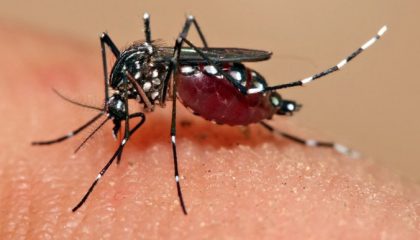
Dengue is transmitted by infected mosquitoes, and its impact can vary greatly from one patient to another. Many people recover with appropriate monitoring and treatment, while some may develop more serious complications. Families should take persistent fever or worsening illness seriously and follow medical guidance, especially for children, older people and anyone whose condition appears to deteriorate.
Patients should also avoid assuming that a temporary improvement means there is no further risk. Monitoring symptoms carefully and returning for treatment when advised can help clinicians identify complications early. Hospitals and health workers remain central to managing the current caseload, but public awareness is equally important in reducing delays in care.
The latest update places renewed focus on prevention, rapid diagnosis and access to treatment. As the country’s total cases and deaths continue to rise, residents in every affected region have reason to remain cautious, reduce mosquito breeding opportunities around homes and seek professional medical advice when dengue symptoms are suspected.
For now, the most immediate picture is one of a substantial ongoing burden: 2,089 new patients admitted in a single day, six more lives lost, and tens of thousands of people already treated during the year. The figures reinforce the need for sustained attention until the outbreak eases.
Related Reading
Frequently Asked Questions
What is Dengue?
Dengue is the main topic of this guide. The article explains the context, practical details, and next steps readers should understand.
Why does Dengue matter?
Dengue matters because readers are looking for a useful answer, not just a short summary. Good content should match search intent and help them decide what to do next.