Houthi Drones and Missiles Reach Deep into Saudi Territory as Red Sea Campaign Intensifies
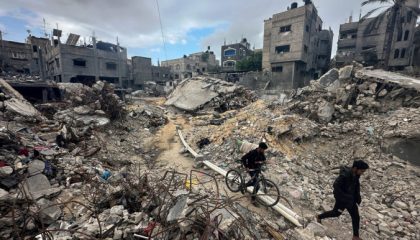
Bdbusinessdaily.com – The Houthis struck multiple targets inside Saudi Arabia on Tuesday, 8 September, extending their aerial campaign well beyond the Yemeni border and into the heart of the kingdom’s southwestern infrastructure. The assault came as the rebel movement pressed a ground offensive aimed at seizing territory along the coast adjacent to the Bab al-Mandab Strait, the narrow waterway that serves as the southern gateway into the Red Sea. With fighting now stretching across days of sustained combat near the coast, the death toll has surpassed 300, and hundreds of families have been forced from their homes.
Targets Hit Across Two Provinces
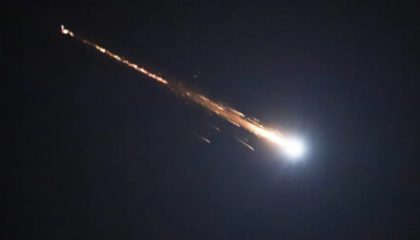
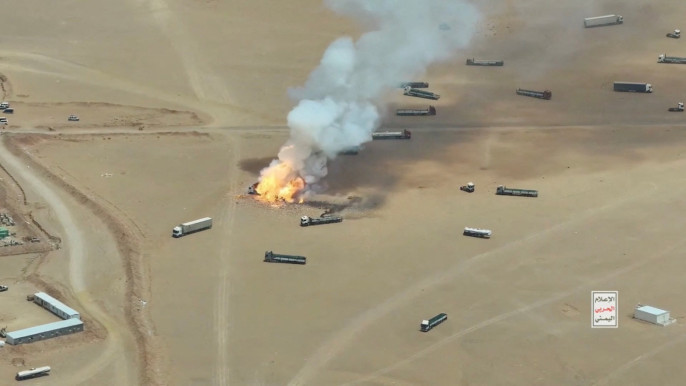
Ansarollah, the media organ of the Houthi movement, confirmed the strikes in a post on Telegram, identifying Abha International Airport, King Khalid air base, and installations operated by state-owned oil company Aramco in both Abha and Jizan as points of impact. The breadth of the target list — spanning civilian aviation, military aviation, and energy-sector infrastructure — signals an attempt to pressure multiple layers of Saudi operational capacity simultaneously.
“Yemeni drones and missiles pound the Saudi enemy,” Ansarollah wrote on Telegram.
The announcement followed a day of reciprocal violence. On Monday, the Houthis accused Riyadh of conducting strikes across several areas of Yemen, including a bombardment of a prison facility that proved lethal. Saudi Arabia had not issued an immediate public response to the Tuesday reports of strikes on its own soil.
Prison Bombardment Claims Eleven Lives
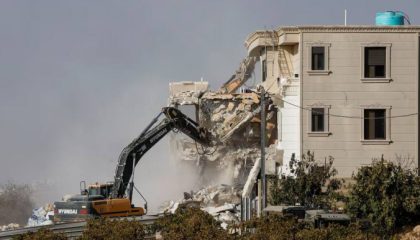
The human toll of Monday’s Saudi air campaign was detailed by Almasirah, which cited Hassan Saboula, director-general of civil defence in Jawf province. Saboula stated that the prison strike killed 11 people and left 20 inmates trapped beneath rubble. Saba news agency, an outlet affiliated with the Houthi movement, added that a child who had been visiting the facility at the time of the blast was among those killed. The incident sharpened the humanitarian dimension of a conflict already producing mass displacement along the Red Sea littoral.
Why the Bab al-Mandab Corridor Matters
The Bab al-Mandab Strait is not merely a geographic feature; it is the chokepoint through which vessels pass between the Red Sea and the Gulf of Aden, linking the Mediterranean and European markets to the Indian Ocean and beyond. Control of the Yemeni coastline bordering the strait would give the Houthis leverage over one of the world’s most congested shipping lanes. That leverage has grown in strategic importance during the current crisis, because the Strait of Hormuz — the primary outlet for Persian Gulf oil — has been effectively blockaded by Tehran since the outbreak of the US-Israel war on Iran. With Hormuz closed or severely restricted, Saudi Arabia has been rerouting a substantial share of its crude exports through the Red Sea and Bab al-Mandab, making the Yemeni coast a frontline of energy security rather than a peripheral theatre.
For Riyadh, the calculus is stark. A Houthi foothold on the Bab al-Mandab shore would allow the rebels to interdict or tax the very shipping corridor that now carries the kingdom’s lifeline to global markets. For the Houthis, holding that coastline converts a guerrilla insurgency into a state-level bargaining chip with implications for every tanker operator, insurance underwriter, and importing nation dependent on Middle East crude.
Escalation Dynamics and Unanswered Questions
The Tuesday strikes represent a measurable step-up in the conflict’s geography. Earlier phases of the campaign had largely confined Houthi missile and drone fire to coastal Saudi positions or to interdicting shipping in the Red Sea itself. Targeting an international airport, a named air base, and Aramco facilities in two separate provinces suggests either a widening of available launch platforms or a deliberate decision to demonstrate reach into deeper Saudi territory. The absence of an immediate Saudi statement leaves open questions about the extent of damage, whether any personnel were injured at the air base or oil installations, and whether Riyadh will respond with a further escalation of its own air campaign over Yemen.
Meanwhile, the ground fight near the coast continues. More than 300 dead and hundreds of displaced families in a matter of days underscore the tempo of operations. Each additional day of combat along the Bab al-Mandab shoreline tightens the window in which Saudi Arabia must decide whether to commit heavier forces to the Yemeni front or to absorb the risk of a prolonged, attritional contest for the strait’s southern bank.
The convergence of a Hormuz blockade, a contested Bab al-Mandab coastline, and reciprocal air strikes across two countries places the Red Sea corridor at the centre of a broader energy-security crisis. For traders, governments, and consumers worldwide, the next weeks of fighting in southwestern Saudi Arabia and eastern Yemen will determine whether the world’s second-largest oil exporter can keep its exports flowing through the one remaining maritime artery still open.
Related Reading
Frequently Asked Questions
What is Houthis strike targets in Saudi Arabia?
Houthis strike targets in Saudi Arabia is the main topic of this guide. The article explains the context, practical details, and next steps readers should understand.
Why does Houthis strike targets in Saudi Arabia matter?
Houthis strike targets in Saudi Arabia matters because readers are looking for a useful answer, not just a short summary. Good content should match search intent and help them decide what to do next.