
Commodities Continue to Be Dearer: Rising Prices and Market Challenges
Bdbusinessdaily.com – Commodities continue to be dearer, with a notable surge in prices across essential goods, primarily driven by escalating fuel costs. This trend has persisted through the past week, intensifying the economic pressure on individuals with limited incomes. In Khatunganj, the wholesale cost of pulses climbed by Tk110 to 200 per maund (37.32 kilograms), translating to a Tk5 per kilogram increase at retail levels, further straining household budgets.
Global Market Trends and Domestic Price Hikes
The ongoing price fluctuations in key commodities reflect broader global market trends. As fuel prices remain elevated due to geopolitical tensions and supply chain disruptions, their impact is rippling through domestic markets. For example, on Thursday, Canadian and Australian lentils saw their prices rise to Tk3,100 per maund, up from Tk2,985 the previous week. White peas and imported grams also experienced sharp increases, reaching Tk1,530 and Tk2,400 per maund respectively, with a Tk150 and Tk200 surge. These adjustments have been linked to international market dynamics, as noted by wholesale traders.
Despite steady demand for pulses and ample supplies, some importers are exploiting this by inflating prices, according to industry sources. Azizul Haque, a wholesale trader, highlighted that while international booking prices for moshur lentils have risen, other pulses have seen relatively stable rates. However, he noted that lentils currently available in the market were purchased months ago, with new stock expected in 1.5 months. This delay has allowed importers to capitalize on shortages, as observed by Ashutosh Mahajan, a pulses importer, who stated that global booking prices for all pulses have increased, contributing to higher domestic costs.
“Prices are climbing faster than salaries. I’m struggling to afford my children’s education and my family’s basic needs. The government must act swiftly to control the market,” said Md Khorsed Alam, a consumer in the capital.
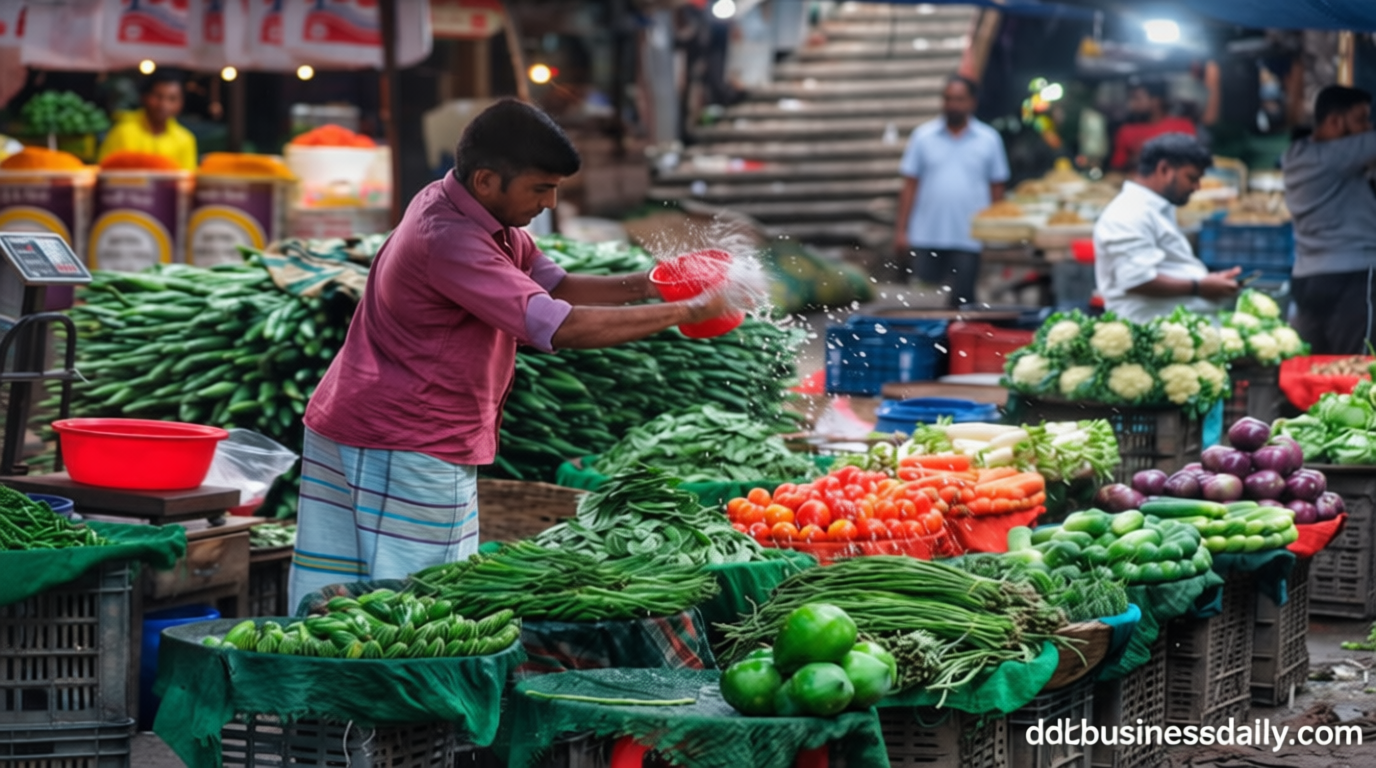
Consumers in Dhaka are bearing the brunt of these price increases, as seen in Karwan Bazar. Carrots now cost Tk100 per kilogram, while pumpkins have risen from Tk40 to Tk70 in just nine days. Unpackaged edible oil, which was Tk70 per litre two months ago, now stands at Tk152, reflecting a steep 117% increase. Alam, who earns a fixed salary, reported that his family’s monthly expenses have jumped to Tk35,000, despite no changes in income. This disparity underscores the growing financial strain on everyday citizens, especially those reliant on basic commodities for survival.
As the situation evolves, market analysts warn that price relief may not arrive until winter vegetables are fully available. SM Mohiuddin, general secretary of the Chattogram Pulses Traders Association, criticized the market’s reliance on importers who manipulate pricing to maximize profits. He called for stricter government oversight to curb such practices. Meanwhile, Ghulam Rahman of the Consumer Association of Bangladesh emphasized the need for improved supply chains and proactive intervention to stabilize essential commodity costs. These measures could help mitigate the effects of rising prices on low-income households and restore market equilibrium.
Price trends across different markets in Bangladesh reveal a consistent pattern of upward movement. In Kathal Bagan, Karwan Bazar, and Nayatola Bou Bazar, the cost of daily essentials such as beans, green chillies, and tomatoes has increased. Beans are priced at Tk80, green chillies at Tk100, and tomatoes at Tk140 per kilogram, signaling a broad-based inflationary pressure. The rising costs of commodities continue to be dearer, affecting both urban and rural consumers alike. This phenomenon has sparked calls for urgent policy action, as the government faces mounting pressure to address the crisis and support vulnerable populations.