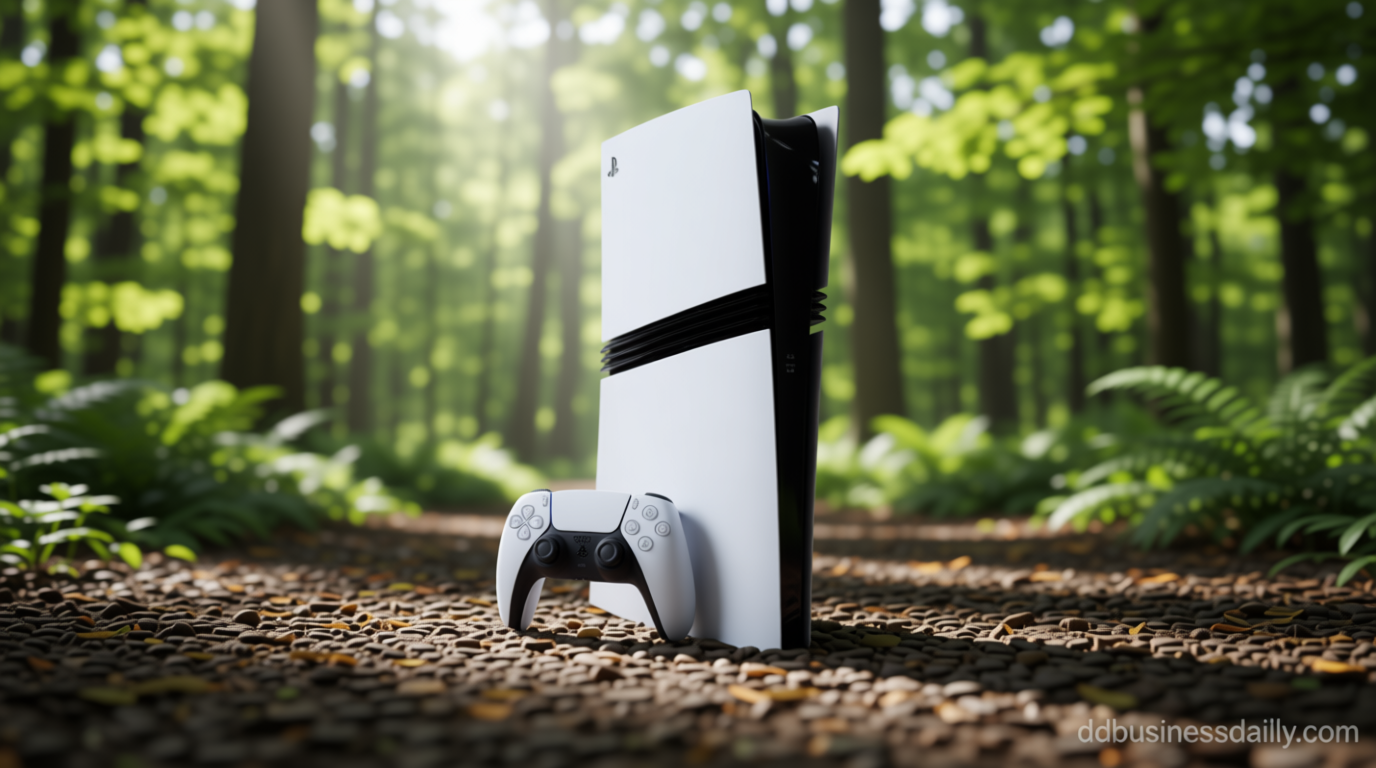
Bdbusinessdaily.com – Sony has confirmed it will stop producing physical discs for all new PlayStation games from January 2028, bringing an end to one of console gaming's defining features. While the move reflects the industry's shift towards digital downloads, it also raises bigger questions about ownership, preservation and the future of consumer choice Just days before announcing the move, Sony revealed it would remove more than 550 previously purchased films and television shows from users' PlayStation libraries because of expiring licensing agreements. Together, they have ignited a wider argument about ownership, consumer rights, game preservation and the future of digital media.
For many players, Sony's latest moves feel less like a technological transition and more like a warning about what happens when entertainment becomes entirely dependent on corporate platforms. The end of PlayStation discs Sony says the change reflects consumer behaviour. According to the company, digital downloads now account for roughly 80% of full-game sales on PlayStation, making physical discs a shrinking part of the market.
From January 2028, new PlayStation titles will be sold through the PlayStation Store and participating retailers as digital products only, while games released before that date will continue to exist on disc. From a business perspective, the logic is straightforward. Digital sales remove manufacturing, packaging and shipping costs while allowing Sony to keep a larger share of each purchase.
Analysts have described the decision as a watershed moment that could also hint at a future PlayStation 6 with no built-in disc drive. Yet the reaction from many players has been far from celebratory. Physical games offer something digital purchases often do not: permanent possession, collectability and independence from online storefronts.
A disc can be lent to a friend, sold second-hand or preserved on a shelf (the same sentiment Playstation capitalized on when Xbox made it extremely difficult to lend games to friends around 2014). A digital licence exists only as long as the platform holder allows access to it. The removal of 551 purchased titles Concerns about digital ownership intensified when Sony announced that more than 550 StudioCanal films and television programmes would be removed from PlayStation users' libraries from 1 September 2026.
The company cited licensing agreements as the reason for the removals. What angered customers was not simply that the content was disappearing, but they had effectively paid so much for a revocable licence. Critics also pointed out that Sony's announcement made no clear mention of refunds or compensation.
Social media quickly filled with accusations that digital customers were being treated as renters rather than owners. Developing discourse around digital rights The backlash has expanded beyond Sony. Many players see the company's decisions as part of a broader industry trend in which entertainment companies retain ultimate control over products consumers believe they have bought.
This is where the 'Stop Killing Games' movement has gained momentum. The campaign emerged after publishers shut down online-only games, leaving paying customers unable to access titles they had purchased. Activists are now pushing for laws that would require companies to provide end-of-life plans so games remain playable after official support ends.
Recent developments show the movement is no longer a niche protest. Campaigners have secured petitions, parliamentary discussions and proposed legislation aimed at strengthening consumer protections for digital games. Supporters argue that if someone pays for a game, they should not lose access simply because a company changes strategy years later.
Sony's removal of purchased films has become a powerful example for those campaigners. To many consumers, it demonstrates that the issue is not theoretical. Digital purchases can disappear, and the legal terms often give platform holders broad authority to make that happen.
Second-hand gaming market Another concern is what a disc-free future means for the second-hand market. Physical games have long supported a network of independent retailers, online marketplaces and ordinary players who trade or resell titles after completing them. When every purchase is tied to a digital account, that market largely disappears.
A downloaded game cannot usually be sold or lent to another player. That means consumers lose one of the main ways they have traditionally reduced the cost of gaming by selling completed titles and using the money towards new releases. The impact extends beyond players.
Independent game shops, used-game chains and smaller retailers rely heavily on trade-ins and pre-owned sales. If new PlayStation releases become digital-only, those businesses could lose a significant revenue stream while Sony and its storefront partners gain greater control over distribution. Will fewer choices lead to higher prices?
Perhaps the biggest fear is that a fully digital ecosystem could lead to less competitive pricing. With physical copies, retailers often compete with one another through discounts, bundles and promotions. Consumers can shop around for the best deal.
In a digital-only environment, the platform holder has much greater influence over pricing and visibility. Sony says players will still be able to buy digital codes from retailers, but critics argue that the disappearance of discs removes an important source of competition. If fewer alternatives exist, publishers and platform owners may have more power to maintain higher prices for longer periods.
Sony's announcements may ultimately be remembered as a turning point in the entertainment industry. The company is betting that convenience, downloads and online services represent the future. The market data suggests many consumers already agree.
But the backlash shows that a substantial number of players still value ownership, preservation and the freedom to use purchased media without relying entirely on a corporate platform. For Sony, the transition to a disc-free PlayStation may be commercially inevitable. The bigger question is whether the industry can convince customers that digital convenience should not come at the cost of digital rights.
Right now, many gamers remain unconvinced.