India Reinforces Security in Arunachal Pradesh Amid Dam Protests
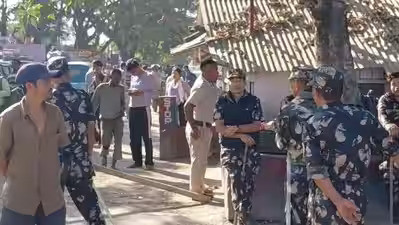
Bdbusinessdaily.com – India has sent hundreds of additional security personnel to parts of Arunachal Pradesh after protests over a proposed major hydropower project in the Siang Valley escalated into clashes with police. The remote northeastern state shares a sensitive border with Tibet, adding a strategic dimension to a dispute that already involves concerns about displacement, local communities and river control.
The unrest followed demonstrations against the proposed 11,200-megawatt Siang Upper Multipurpose Project, a planned state-backed dam to be developed by the National Hydroelectric Power Corporation. Authorities say security has been strengthened in locations considered vulnerable to further disorder after violence broke out last week.
“Forces are being increased in the places where it is required. We do not want any law and order problem,” Arunachal Pradesh police chief SD Singh Jamwal said.
Clashes Follow Years of Opposition
Protests against the project have appeared intermittently across the Siang Valley for roughly two years. Opposition is led in part by villagers who fear that construction of the dam would flood settlements tied to the Adi tribe and disrupt land that has been passed down through generations.
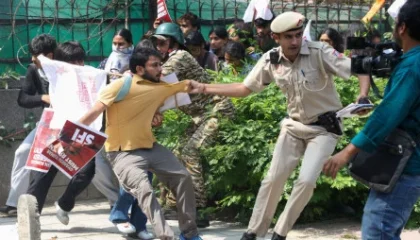
Demonstrations turned violent last week when protesters clashed with police. Authorities said at least 21 people were arrested. Police used tear gas, while some young demonstrators threw stones and set fire to a police station as well as an office linked to the National Hydroelectric Power Corporation.
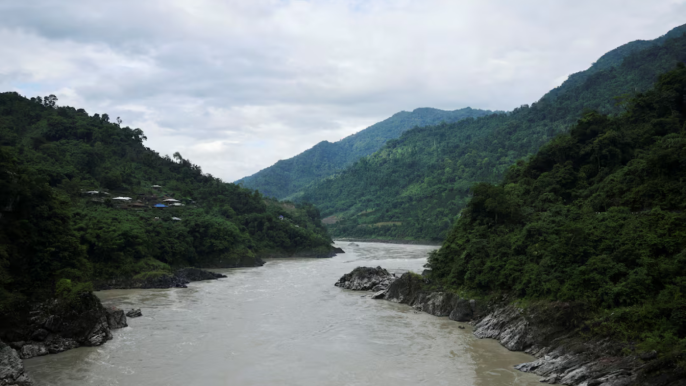
For residents in the valley, the argument is not confined to a single infrastructure proposal. The Siang River is central to communities living along its banks, and the potential loss of villages has become the defining concern for many opponents of the dam.
“We will keep opposing this dam till they cancel it. If it is constructed, 27 of our ancestral villages will be completely submerged. At least 40 or 50 more will be affected,” said Gegong Jijong of the Siang Indigenous Farmers’ Forum.
The figures cited by campaigners illustrate why the plan has generated intense resistance. Even where homes may not be directly submerged, surrounding communities could face changes to land use, access routes and local livelihoods as a large project moves forward.
A River With Strategic Importance
The dispute also sits within the wider tensions between India and China. The river enters Arunachal Pradesh from Tibet, where it is known as the Yarlung Zangbo, before continuing through India as the Siang. Its cross-border course has made upstream development a matter of strategic concern in New Delhi.
In December 2024, China announced plans for what it described as the world’s largest hydropower dam on the river upstream. The announcement heightened Indian worries that Chinese control over the upper reaches of the waterway could create pressure downstream during periods of political or military strain.
India’s proposed Siang project is therefore viewed not only as an energy scheme but also as part of the country’s response to developments beyond its border. Supporters see hydropower and water-management infrastructure as important to national planning in a region where river flows originate outside Indian territory. Critics, however, argue that strategic objectives must not override the rights and safety of people living in the project area.
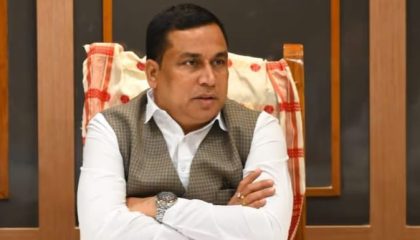
Arunachal Pradesh Chief Minister, who belongs to Prime Minister Narendra Modi’s Bharatiya Janata Party, has described the Chinese project as an existential threat. He has said the government intends to defend national interests while also respecting the rights and aspirations of people in the Siang Valley.
Territorial Dispute Deepens Sensitivity
Arunachal Pradesh remains one of the most politically sensitive regions along the India-China frontier. China claims the state, referring to it as Zangnan and regarding it as part of southern Tibet. India rejects that position and maintains that Arunachal Pradesh is an integral and inalienable part of its territory.
That unresolved territorial dispute means that local protests over a dam cannot be separated entirely from broader border politics. The valley is home to communities whose concerns focus on ancestral land and environmental change, while the state and central governments must also consider the implications of Chinese infrastructure development upstream.
For now, the immediate priority for authorities is preventing another round of violence. The deployment of additional personnel signals concern that anger over the proposed project could again spill into confrontation. Whether the government can restore calm while addressing the fears voiced by Siang Valley residents will be central to the next stage of the debate.
Related Reading
Frequently Asked Questions
What is India deploys extra forces after protests?
India deploys extra forces after protests is the main topic of this guide. The article explains the context, practical details, and next steps readers should understand.
Why does India deploys extra forces after protests matter?
India deploys extra forces after protests matters because readers are looking for a useful answer, not just a short summary. Good content should match search intent and help them decide what to do next.