Amazon Extends Its Lead in Global Retail Brand Value
Bdbusinessdaily.com – Amazon remains the world’s most valuable retail brand in 2026, holding the top position for an 11th straight year. Its brand value rose 4% from the prior year, reaching a level above the $356.9 billion recorded previously.
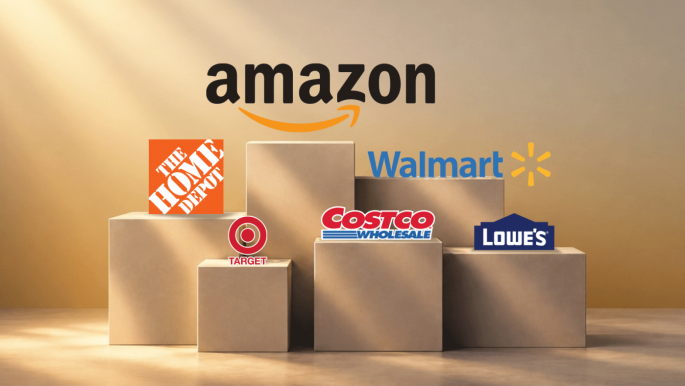
The result highlights the continuing weight of major American companies in the global retail economy. Every one of the six highest-ranked retail brands is based in the United States, underlining how strongly the country’s largest consumer businesses shape the sector’s most valuable names.
A Concentrated Global Retail Market
The top 10 retail brands together carry a combined brand value of $788.0 billion. That figure reflects more than sales volume or store count. Brand value is tied to the commercial strength associated with a name: customer recognition, trust, relevance, market position and the ability to influence purchasing decisions over time.
For shoppers, the rankings offer a view of which retailers have developed the strongest identities in an increasingly competitive marketplace. For businesses, they illustrate the importance of maintaining a familiar and dependable presence while responding to changing customer expectations.
Retailers now compete across physical stores, websites, mobile platforms, delivery networks and subscription services. A powerful brand can help a company remain visible across all of those channels, especially when consumers are faced with a growing number of choices.
Why Amazon Continues to Stand Out
Amazon’s long run at the top points to the scale and endurance of its retail brand. The company has remained a central name in online shopping for more than a decade, while its brand continues to carry considerable value in a market where convenience, speed and product choice have become major considerations for customers.
A 4% annual increase may appear modest beside the scale of the company’s valuation, but the rise is notable because it comes from an already exceptionally large base. Maintaining growth at that level requires a retailer to protect its relevance while navigating intense competition, shifting consumer habits and wider economic pressure.
The ranking also demonstrates that brand strength is not static. Retail companies must constantly reinforce why customers should choose them. Price, product availability, service quality, digital experience and reliability can all influence how a retail name is perceived.
US Brands Dominate the Leading Group
The fact that the first six brands in the retail ranking are all American is a significant feature of the 2026 picture. The United States is home to some of the world’s largest retail businesses, including companies with broad international reach and deeply established domestic customer bases.
Walmart remains one of the key names associated with the upper tier of retail, alongside Amazon. Their presence reflects two different but highly influential retail models: one rooted in an extensive store network and another known primarily for digital commerce. Both models continue to matter as consumers move between online and in-person shopping.
American retail brands have also benefited from the ability to build large ecosystems around their core operations. Retail is no longer limited to a single transaction at a checkout counter. Customers may encounter a brand through an app, a membership programme, delivery service, marketplace, advertising platform or physical location. Each interaction can shape the wider perception of the business.
What Brand Value Means for Consumers and Businesses
Brand value should not be confused with a company’s total market value or annual revenue. It is a measure focused on the commercial worth attached to the brand itself. In retail, that distinction is important because a familiar name can help attract repeat customers and support expansion into new products or services.
For consumers, strong retail brands can signal consistency. People often return to retailers they believe will offer dependable service, straightforward returns, competitive pricing or convenient access to goods. At the same time, a recognised brand must keep earning that confidence, particularly when alternatives are only a few clicks away.
For smaller retailers, the dominance of the leading global names does not remove the value of local identity. Independent businesses can compete through specialised products, personal service, community knowledge and a clear understanding of customer needs. The largest brands may command extraordinary value, but retail remains a sector where trust and relevance matter at every scale.
The 2026 Retail Brand Picture
The 2026 rankings show a sector led by familiar giants, with Amazon still firmly at the front. Its 11-year hold on the leading position and its increase in brand value reinforce the company’s exceptional standing within global retail.
At the same time, the $788.0 billion combined value of the top 10 brands reveals the enormous commercial importance of retail names that have built lasting customer recognition. As shopping continues to evolve, the retailers best able to combine convenience, value and confidence are likely to remain the ones with the strongest brands.
Related Reading
Frequently Asked Questions
What is World s most valuable retail brands 2026?
World s most valuable retail brands 2026 is the main topic of this guide. The article explains the context, practical details, and next steps readers should understand.
Why does World s most valuable retail brands 2026 matter?
World s most valuable retail brands 2026 matters because readers are looking for a useful answer, not just a short summary. Good content should match search intent and help them decide what to do next.