Charge Sheet Filed in Emdadul Haque Killing Case
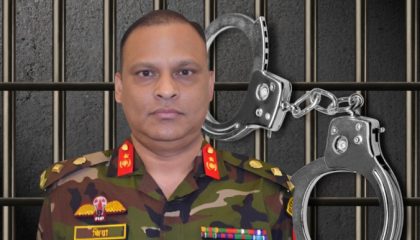
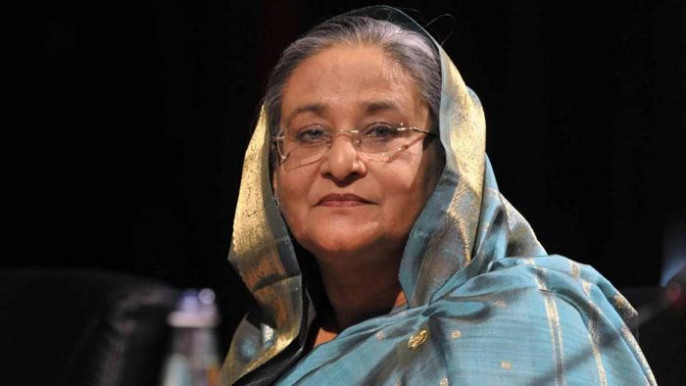
Bdbusinessdaily.com – A charge sheet filed against Hasina 44 others has been submitted over the killing of car driver Emdadul Haque during the July Uprising in Dhaka’s Badda area. The 45 accused include former prime minister Sheikh Hasina, former ministers and former elected representatives.
Inspector Aminul Islam of the Operations Branch of the Anti-Terrorism Unit in Baridhara submitted the charge sheet after completing the investigation. Court sources confirmed the development on 24 October.
Emdadul Haque was killed near AMZ Hospital in Badda on 20 July 2024 amid unrest connected to the July Uprising. According to the charge sheet, he was hit in the forehead by a bullet that exited through the back of his head, causing his immediate death.
Former Ministers and Political Figures Named
The charge sheet filed against Hasina 44 others also names former ministers Obaidul Quader, Asaduzzaman Khan Kamal, Jahangir Kabir Nanak, Asaduzzaman Noor, Mohibul Hasan Chowdhury Nowfel and Zunaid Ahmed Palak.
Former prime minister’s adviser Salman F Rahman and former Dhaka North City Corporation mayor Atiqul Islam are among those charged. Former members of parliament Mainul Hossain Khan Nikhil, Mohammad Wakil Uddin and Hedayetullah Rony have also been named.
Former Bangladesh Chhatra League president Saddam Hossain and its general secretary Sheikh Wali Asif Inan are included in the case. The organisation has been banned.
Investigators alleged that Sheikh Hasina, Obaidul Quader, Asaduzzaman Khan Kamal, Saddam Hossain and others directed law-enforcement personnel to fire at protesters. The people accused of issuing those alleged instructions were not present near AMZ Hospital when the shooting occurred.
Investigation Findings and Recommended Discharges
The charge sheet filed against Hasina 44 others alleges that gunfire was opened against protesters after the instructions were issued. The allegations will be examined through the court process, and the accused will have the opportunity to contest them under applicable legal procedures.
Alongside the charge sheet, the investigating officer recommended the discharge of 77 people initially named in the first information report. Those include former member of parliament AKM Rahmatullah, former inspector general of police Chowdhury Abdullah Al-Mamun, former Special Branch chief Monirul Islam, Wasikur Rahman Babu and Kamal Uddin Shaheen.
A recommendation for discharge reflects the investigating officer’s assessment of the material collected during the inquiry. It does not itself determine the final legal outcome; the court will decide the next steps for both the accused and those recommended for discharge.
The case was filed on 9 September by Saiful, who identified himself as Emdad’s cousin. The original complaint named 122 people, including Sheikh Hasina, and alleged the involvement of another 100 to 200 unidentified individuals.
What the Charge Sheet Means
A charge sheet is an important stage in a criminal investigation because it sets out the investigator’s findings and identifies people believed to face legal proceedings. It is not a conviction, and guilt or innocence can only be determined through the judicial process.
The case concerning Emdadul Haque’s death is among the criminal matters linked to violence during the July Uprising. The proceedings are likely to draw close attention because of the senior former political leaders and officials named in the charge sheet.
FAQ
Who filed the case over Emdadul Haque’s death?
Saiful, who described himself as Emdadul Haque’s cousin, filed the case on 9 September.
How many people were charged?
The charge sheet names 45 people, including Sheikh Hasina and several former ministers, political figures and former representatives.
Does a charge sheet mean the accused have been convicted?
No. A charge sheet presents the investigating officer’s findings. The court process will consider the allegations and evidence before any legal determination is made.