Bangladesh’s Garment Industry at a Crucial Turning Point
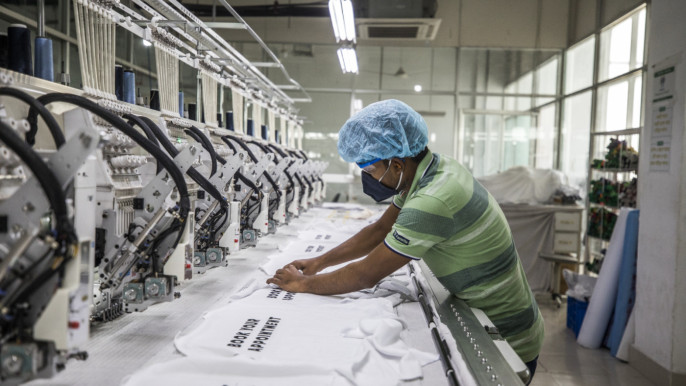
Bdbusinessdaily.com – Bangladesh’s garment industry at a crossroads faces a defining challenge: remaining competitive while adapting to a rapidly changing global market. Ready-made garments account for close to 85% of the country’s export earnings, yet the long-standing reliance on large-scale, low-cost production is no longer sufficient.
Bangladesh is scheduled to graduate from Least Developed Country status in 2026. Rising minimum wages, inflation, supply-chain disruption and geopolitical uncertainty are adding pressure on manufacturers. At the same time, global buyers increasingly expect reliable quality, shorter lead times, responsible environmental practices and stronger technological capacity.
The way forward requires a coordinated transition toward higher-value products, modern factory systems, greener operations and better-skilled workers. Bangladesh’s garment industry at this stage cannot afford to treat these priorities as optional upgrades.
Green Manufacturing Must Become a Core Strength
Sustainability is becoming a fundamental condition for keeping international buyers and securing long-term export growth. Green factories can lower energy consumption, reduce carbon emissions and improve the responsible use of water and other resources.
Many manufacturers are pursuing internationally recognised Leadership in Energy and Environmental Design standards alongside national environmental requirements. While converting traditional factories requires investment and technical planning, the gains can extend beyond compliance. Efficient facilities can reduce operating costs and improve resilience during periods of energy or resource stress.
Green production can reduce electricity and water use by roughly 30% to 40% over time. Bangladesh already has internationally recognised green factories, but the larger task is helping more producers adopt similar practices through a gradual, nationwide shift.
Support Smaller Factories Through Finance and Technology
Small and medium-sized factories may struggle most with the cost of cleaner equipment, building improvements and efficient production systems. Low-interest financing and practical technical support could help them modernise without losing their place in the supply chain.
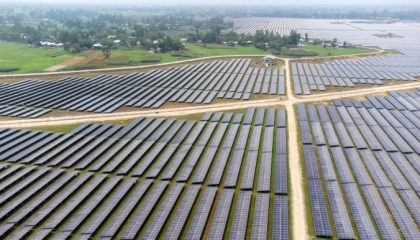
Energy shortages remain a serious concern. Interruptions in gas and electricity supplies can reduce output or stop production altogether. Rooftop solar systems and wider renewable-energy use could reduce dependence on unreliable conventional supplies while supporting lower-emission manufacturing.
Water management also needs sustained attention. Wider use of Effluent Treatment Plant technology and Zero Liquid Discharge practices can conserve water and limit pollution from dyeing, washing and finishing processes. Textile waste offers another opportunity: fabric scraps can be recycled into yarns and fabrics instead of being discarded or sold at low value.
Technology Can Protect Competitiveness
The Fourth Industrial Revolution is reshaping apparel production worldwide. Robotics, artificial intelligence, digital pattern-making and automated quality-control systems can improve speed, consistency and productivity. For Bangladesh’s garment industry at this pivotal moment, technology is both a challenge and a practical route to stronger competitiveness.
Automation is allowing some developed economies to manufacture closer to their main consumer markets. This near-shoring trend could weaken Bangladesh’s traditional cost advantage if factories do not improve efficiency and responsiveness.
However, technology can help local manufacturers reduce errors, shorten production cycles and meet buyer expectations more reliably. AI-based inspection, automated machinery and digital production planning can support faster decisions and better-quality garments.
Workers Need Skills for a Changing Industry
Modernisation must include workers rather than displace them without support. Training in digital tools, machine operation, quality management and technical production can help employees move into more skilled roles as factories adopt advanced systems.
Investment in people is especially important as buyers demand more complex products and faster delivery. A workforce with stronger technical skills can help factories move beyond basic garments into higher-value categories, where quality, design and precision matter more.
Frequently Asked Questions
Why is green manufacturing important for Bangladesh’s garment industry?
Green manufacturing helps factories reduce energy, water and waste costs while responding to the environmental expectations of international buyers. It can also strengthen long-term competitiveness as sustainability standards become more important in global supply chains.
How can smaller garment factories afford greener upgrades?
Access to low-interest loans, technical guidance and phased investment plans can make upgrades more manageable. Support for efficient machinery, solar installations, water treatment and recycling systems would be particularly valuable for smaller producers.
Will automation reduce garment-sector employment?
Automation can change the types of jobs factories need, but worker training can help employees move into technical, supervisory, maintenance and quality-focused roles. Technology and workforce development need to progress together.
Bangladesh’s garment industry at a crossroads has an opportunity to build a more efficient, sustainable and skilled manufacturing base. Green investment, reliable energy, circular production and technology adoption can help the sector remain a major source of export earnings in a far more demanding global marketplace.