Mother Testifies in Mohammadpur Killings Case
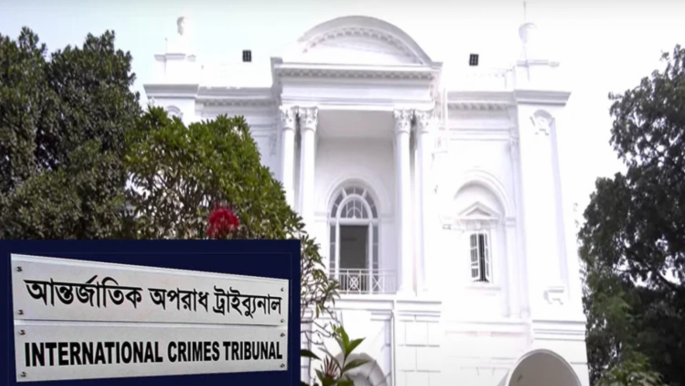
Bdbusinessdaily.com – A mother’s search for her injured son during the July 2024 uprising ended at the Dhaka Medical College Hospital morgue, where she said she identified him by his clothing among hundreds of bodies. Taslima Akter gave her account before the International Crimes Tribunal on 12 October, breaking down repeatedly as she described the death of her son, Mohammad Ismail.
Ismail, 30, was among nine people whose deaths in Mohammadpur are at the centre of a crimes against humanity case. Taslima appeared as the 10th prosecution witness before Tribunal-1, where Justice Md Mohitul Haque Enam Chowdhury sat as the sole member of the bench. Prosecutor Tarek Abdullah represented the prosecution.
Her testimony focused on the hours after Ismail left home on 19 July 2024, as demonstrations unfolded in the Mohammadpur area. She told the tribunal that her son went out at about 3pm to join protests near Allah Karim Mosque.
Calls From Friends and a Rush to Hospital
Taslima said that at around 7:30pm, a friend of Ismail named Monir called and asked that he return home after seeing him in the protest area. Later, another friend, Kalu, informed Taslima’s sister Akleema that Ismail had been shot and was being taken for treatment.
Taslima then travelled from Dhaka Udyan toward the hospital with her mother and sister by rickshaw. She told the tribunal that she saw violence during the journey and alleged that Commissioner Asif, Commissioner Rajib, former minister Jahangir Kabir Nanak, former Dhaka South City Corporation mayor Sheikh Fazle Noor Taposh and an individual named Biplob were armed. She also said a person was shot dead in front of her.
When she reached Dhaka Medical College Hospital, Taslima searched the emergency department but could not locate Ismail. Her search eventually led to the morgue, where she said 300 to 400 bodies had been placed one over another. She recognised her son from the clothes he was wearing.
“”
The court account did not include a quoted statement from Taslima, but her repeated tears during the deposition reflected her demand for justice over her son’s death.
Identification and Release of the Body
A doctor at the hospital later showed Taslima images on a mobile phone, she told the tribunal. Through those photographs, she identified Ismail, who had sustained a gunshot injury to the head.
She said the body was not released immediately because hospital authorities were waiting for the relevant police officer. Sub-Inspector Saiful of Mohammadpur police station arrived at 11am the following day, and Ismail’s body was handed over to the family at about 7pm.
Taslima further alleged that hospital staff took her signature after telling her that she would not file a case. Her testimony placed that allegation before the tribunal as part of the prosecution’s evidence in the wider case.
After the body was released, Ismail was taken to Chhata Mosque, where he was bathed and funeral prayers were held. He was later buried at Azimpur Cemetery.
Twenty-Eight Accused in the Case
The case names 28 accused, including Nanak and Taposh. Taslima held Sheikh Hasina, Taposh, Nanak and a number of others responsible for her son’s killing. The people she named included local commissioners as well as Biplob, Biplob Kumar, Saikat, Sajjad Palash, Sattar, Mohammad Ismail, Rashtan and Rowshan.
The allegations remain part of an ongoing judicial process, with witness accounts being recorded by the tribunal. Testimony from relatives can be important in such proceedings because it documents the sequence of events surrounding a death, the search for the victim and the handling of the body afterward. The tribunal will assess the evidence presented by both sides under the applicable legal process.
Four of the accused are in custody: Naimul Hasan Russell, president of the banned Chhatra League’s Mohammadpur unit; its vice-president Sajjad Hossain; Ansar member Omar Faruk; and Jubo League activist Fazle Rabbi. The remaining accused are absconding.
The Mohammadpur case concerns nine deaths during the July uprising, while Taslima’s deposition gives the court a detailed account from one family affected by the violence. Her appearance marked the prosecution’s 10th witness in the case and added to the tribunal record surrounding the killing of Mohammad Ismail.
For grieving families, courtroom testimony can become a formal opportunity to preserve events that otherwise remain confined to private loss. In this proceeding, Taslima’s account traced a single evening from her son’s departure for a protest to the long wait for his body at the hospital, before his burial at Azimpur Cemetery.
Related Reading
Frequently Asked Questions
What is Mother breaks down before ICT recounting?
Mother breaks down before ICT recounting is the main topic of this guide. The article explains the context, practical details, and next steps readers should understand.
Why does Mother breaks down before ICT recounting matter?
Mother breaks down before ICT recounting matters because readers are looking for a useful answer, not just a short summary. Good content should match search intent and help them decide what to do next.