Vance Presses Iran for Nuclear Concessions as War Enters Seventh Month
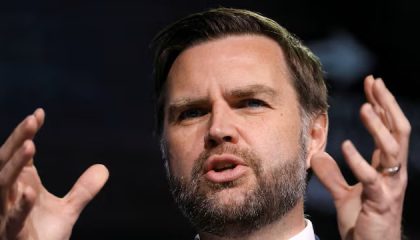
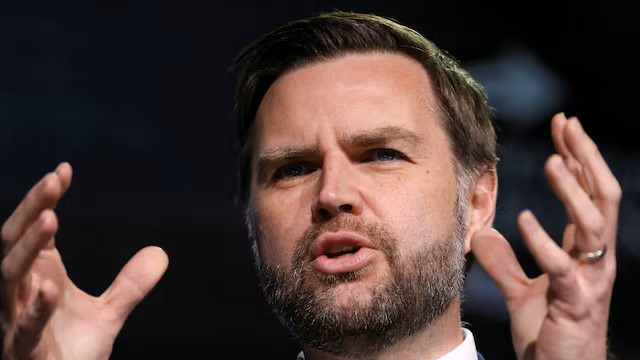
Bdbusinessdaily.com – US Vice President JD Vance has said that any agreement to end the seven-month conflict between Washington and Tehran will depend on Iran making a substantial reduction in its nuclear enrichment capability.
Speaking after a campaign visit to Alaska on Monday, Vance said the United States would not accept broad assurances about future nuclear limits in place of concrete action. His comments came as the two sides exchanged proposals intended to halt the fighting and restore access through the Strait of Hormuz, a major corridor for global energy shipments.
If you don’t want a nuclear weapon, then why do you need 60% enriched fuel? And if you want to show commitment to not building a nuclear weapon, don’t build highly enriched fuel. That’s a very basic threshold issue.
Vance said Iran would need to demonstrate its intentions through a meaningful change in enrichment capacity. The White House has made clear that commitments stated in negotiations alone would not be enough to secure a settlement.
I think if they want to show a commitment to not building a nuclear weapon, they would do something meaningful on their enrichment capacity.
Diplomacy continues amid uncertainty in Tehran
The vice president said the United States remains open to reaching an agreement, but stressed that Tehran would need to make measurable nuclear concessions. President Donald Trump rejected Iran’s most recent proposal and has warned that military action could increase after the midterm elections.
We’re not going to trade words for actions.
A central complication, Vance said, is uncertainty over how decisions are made within Iran’s political system. The US has been speaking with Iranian President Masoud Pezeshkian and Foreign Minister Abbas Araqchi, but Vance questioned how much authority the two officials hold.
That uncertainty has grown since joint US-Israeli strikes at the beginning of the war killed Supreme Leader Ayatollah Ali Khamenei. Vance said Washington has struggled to determine where final decision-making power now rests.
One of the things we picked up on is it’s not totally clear how their country makes decisions.
Trump echoed that concern on Tuesday, saying his greatest difficulty was that nobody knew who was running Iran. Tehran pushed back against that assertion. Foreign Ministry spokesperson Esmaeil Baghaei said US officials understand both their Iranian interlocutors and the country’s decision-making structure, arguing that the real obstacle is inconsistent messaging from Washington.
Strait of Hormuz remains a major concern
The diplomatic effort is tied closely to the Strait of Hormuz, where Iranian forces have at times struck commercial vessels. The waterway is vital to energy exports, making disruption there a concern far beyond the immediate conflict.
Vance said Iranian troops have periodically been able to target shipping, but he argued they have not succeeded in stopping energy supplies from moving through the passage. He also said concerns about shortages of critical US munitions were overstated.
The vice president has taken a prominent role in efforts to settle the war, despite having long expressed scepticism about American involvement in overseas conflicts. He helped broker a provisional peace arrangement in June, but that deal quickly collapsed.
Vance declined to describe himself as the leader of the current negotiations, even though he is frequently viewed as the White House’s chief negotiator on the issue.
We’re certainly involved. Ultimately, the president of the United States is driving things.
Economic pressure shapes the political debate
The conflict’s estimated monthly cost of $3 billion has become an increasingly important issue in the election campaign. Rising energy prices have added pressure on Trump and Republican candidates in closely contested states ahead of November’s midterms, which will determine control of Congress.
Vance has urged voters not to let criticism of the administration’s management of the war prevent them from supporting Republican candidates. During his Alaska visit, he campaigned for Senator Dan Sullivan, who faces Democratic challenger Mary Peltola in a close reelection contest.
Trump won Alaska by 13 percentage points in 2024, yet higher day-to-day costs have made the state more competitive. Affordability was a major theme of Vance’s remarks before the interview, particularly energy costs. The issue carries special weight in Alaska, where its remote location can raise the price of consumer goods and energy production remains an important industry.
Supporters at the rally reacted loudly when Sullivan nearly introduced Vance as president rather than vice president. Vance is widely seen as a leading Republican prospect to follow Trump, though he said he has not decided whether he will seek the presidency in 2028.
I’m inherently a procrastinator. I really haven’t thought about it much.
For now, the immediate test for Vance and the administration is whether the nuclear demands, shipping concerns and uncertainty surrounding Iran’s leadership can be turned into a durable agreement. The stakes extend from the battlefield to fuel markets and the domestic political contest now entering its final stretch.
Related Reading
Frequently Asked Questions
What is Vance says Iran must cut enrichment?
Vance says Iran must cut enrichment is the main topic of this guide. The article explains the context, practical details, and next steps readers should understand.
Why does Vance says Iran must cut enrichment matter?
Vance says Iran must cut enrichment matters because readers are looking for a useful answer, not just a short summary. Good content should match search intent and help them decide what to do next.