International Space Station Emerges as an Unconventional Peace Prize Prospect
Bdbusinessdaily.com – At a moment of deep geopolitical strain, the International Space Station has been raised as an unexpected possibility for the Nobel Peace Prize, highlighting a rare long-running example of countries pursuing a shared mission beyond Earth.
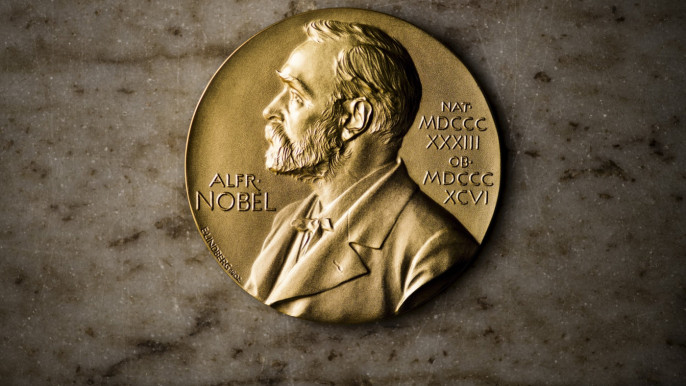
The Norwegian Nobel Committee will reveal the 2026 Peace Prize recipient in Oslo on 9 October. As usual, the announcement has prompted intense debate because the committee’s decisions can be difficult to anticipate and have, at times, surprised both observers and the public.
A total of 287 nominations were submitted for this year’s award, and organisations account for a little more than one-quarter of them. The names remain confidential under Nobel rules, but analysts and peace researchers regularly offer their own assessments of candidates whose work reflects sustained peacebuilding, cross-border cooperation, humanitarian protection, or the defence of international institutions.
A symbol of cooperation above political divisions
Haakon Gjerløw, director of the Peace Research Institute Oslo, included the ISS—or the multinational partnership that operates it—on the institute’s annual watch list. The station’s significance lies not only in scientific research, but also in its record as a practical partnership among nations with differing political interests.
That cooperative model carries particular weight as international collaboration faces growing pressure. The ISS has long required participating countries to coordinate technical operations, astronaut missions, supplies, and research. Supporters of its inclusion would see it as recognition that durable cooperation remains possible even when relations on Earth are strained.
The Peace Research Institute Oslo watch list is closely monitored each year because it offers a structured view of the international figures and institutions that may fit the Nobel Committee’s broad peace mandate. Still, it is not a list of official nominees, and the final selection process remains confidential.
Political figures and rights advocates also in discussion
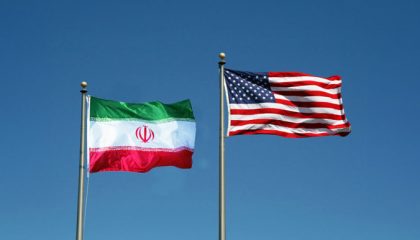
US President Donald Trump has again been nominated after publicly expressing his interest in the prize. Any decision to award him the honour would likely draw strong debate following the US-Israeli war with Iran, which began in February.
Canadian Prime Minister Mark Carney has also received significant international attention during the year, particularly over disputes with Trump that have included US tariff policy. His prominence illustrates how rapidly changing political relationships can influence speculation around a prize intended to recognise efforts toward peace and international understanding.
Gjerløw’s list also highlights Ukrainian children’s rights advocate Mykola Kuleba, Save the Children, Sudan’s grassroots Emergency Response Rooms, and the Committee to Protect Journalists. These possible contenders represent different approaches to peace: protecting children affected by war, supporting communities facing crisis, and defending the ability of journalists to work safely and independently.
The International Court of Justice and the International Criminal Court have also been mentioned as potential joint recipients. Both bodies occupy central positions in the international legal system, though their work is frequently politically contested.
The ICC has attracted support and criticism for arrest warrants involving senior leaders, including Russian President Vladimir Putin and Israeli Prime Minister Benjamin Netanyahu. Trump has repeatedly attacked the court. In July, US Secretary of State Marco Rubio announced a campaign to dismantle what he described as a threat from the court to American sovereignty. Later that month, the ICC’s chief prosecutor was removed from office after allegations of sexual misconduct.
A prize announced in a year of wars
This year’s Peace Prize arrives while major conflicts continue in Sudan, Ukraine, Yemen, Iran, and across the wider Middle East. For many observers, that context makes the committee’s choice especially consequential: an award can elevate a neglected crisis, endorse an institution under pressure, or draw attention to people carrying out humanitarian work in dangerous conditions.
Shawn Davies, a senior analyst at the Uppsala Conflict Data Program, has pointed to mounting tensions and a shifting global security environment. He connected those changes to what he sees as reduced US willingness to uphold international rules, arguing that Washington has moved from enforcing the post-Second World War order to breaching those standards in some circumstances.
“I don’t even think his own base would believe Trump could win the prize now,” Davies said, referring to what he described as the president’s role in the ongoing war in Iran.
The decision is further complicated by developments involving last year’s laureate, Venezuelan opposition leader María Corina Machado. Gjerløw noted that Machado symbolically handed her prize to Trump days after US forces removed Venezuelan President Nicolás Maduro from office.
Women among the names attracting attention
Jody Williams, who shared the 1997 Nobel Peace Prize for her role in the International Campaign to Ban Landmines, said she hopes the committee maintains its recent pattern of honouring women. Of the 112 individual Peace Prize laureates across the award’s 125-year history, only 20 have been women.
The more recent figures show a narrower gap: during the past 15 years, eight women have received the prize individually, compared with six men. Among names discussed in prediction markets this year are Gaza surgeon Sara al-Saqqa and Yulia Navalnaya, the Russian opposition figure and widow of Alexei Navalny.
The Nobel announcements begin Monday with the medicine award, followed by physics on Tuesday, chemistry on Wednesday, and literature on Thursday. The Peace Prize will be announced Friday, while the Nobel Memorial Prize in Economic Sciences follows on 12 October.
This year’s award carries 12 million Swedish kronor, approximately $1.2 million. Yet the larger importance of the Peace Prize is often its global platform. Whether the committee chooses an individual, a humanitarian organisation, an international court, or a space-based partnership, its decision will signal what form of peace work it believes deserves the world’s attention now.
Related Reading
Frequently Asked Questions
What is International Space Station among contenders for Nobel?
International Space Station among contenders for Nobel is the main topic of this guide. The article explains the context, practical details, and next steps readers should understand.
Why does International Space Station among contenders for Nobel matter?
International Space Station among contenders for Nobel matters because readers are looking for a useful answer, not just a short summary. Good content should match search intent and help them decide what to do next.