PKSF Approves Tk7,245 Crore Package for Microenterprises and Rooftop Solar
Bdbusinessdaily.com – Bangladesh’s cottage and microenterprise economy is set to receive a major financing push after the Palli Karma-Sahayak Foundation (PKSF) approved Tk7,245 crore for entrepreneurship development and renewable-energy expansion.
The PKSF Board of Directors approved the funding decisions on 27 September at PKSF Bhaban-1. The package combines support for new small businesses, grassroots economic activities, agriculture-linked enterprises and rooftop solar power generation.
Large allocation for new entrepreneurs
The largest share of the approved financing is Tk5,000 crore in loans financed by Bangladesh Bank. The money is intended to help create entrepreneurs in the cottage and microenterprise sectors, where businesses often operate on a small scale but play an important role in local employment and household incomes.
The lending programme will cover several areas of economic activity. These include technology-based farming, agro-processing, manufacturing, service businesses and value-chain work at the grassroots level. Such activities can range from producing goods and processing agricultural products to providing local services and supporting the movement of products from producers to consumers.
PKSF’s approach places emphasis on using the skills and productive potential of people from lower-income communities. By improving access to financing, the initiative is designed to help more people establish businesses, strengthen existing income-generating work and create employment opportunities in their communities.
Cottage and microenterprises are particularly significant because they can be started and operated close to where people live. Financing for equipment, working capital, production inputs or business expansion can help small operators participate more effectively in local markets and wider supply chains.
Tk500 crore for rooftop solar expansion
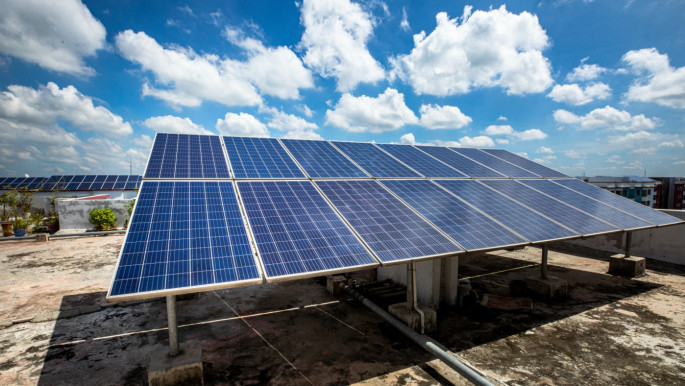
Renewable energy is another central component of the newly approved package. PKSF has earmarked Tk500 crore to expand rooftop solar power generation through a dedicated financing programme.
The board approved a specialised lending policy called “Shouro Shokti” for the programme. It is supported by a Tk500 crore government allocation and will allow customers to receive loans through PKSF partner organisations at a 6% interest rate.
Rooftop solar systems allow homes, institutions and businesses to generate electricity from sunlight using panels installed on available roof space. The financing programme is intended to make such systems more accessible by providing a structured lending route through PKSF’s partner network.
The expansion of rooftop solar has potential importance for both energy users and the wider renewable-energy transition. For businesses and other customers that can use solar installations, access to affordable finance can be a key factor in deciding whether to invest in the technology. The new programme specifically addresses that financing need through its dedicated policy and loan terms.
Further support through partner organisations
In addition to the entrepreneurship and solar allocations, the PKSF board approved close to Tk2,000 crore in loans for its partner organisations. These funds will support cluster-based microenterprises, general services, agriculture, ultra-poor households and other sectors.
Cluster-based financing can support groups of related enterprises operating within the same area or connected through similar economic activities. This may be relevant where businesses share supply channels, skills, production practices or market opportunities.
The allocation for agriculture and related activities complements the broader focus on technology-driven farming and agro-processing. Agricultural production often supports a range of connected small enterprises, including processing, storage, transport, inputs and local services. Financing across these areas can help connect rural producers with additional business opportunities.
Support directed at ultra-poor communities also reflects the aim of extending economic participation to people with limited resources. Access to finance alone does not guarantee business success, but targeted programmes can provide a route for eligible people and organisations to pursue productive activities that may otherwise be out of reach.
What the financing package means
The Tk7,245 crore approval brings entrepreneurship development and clean-energy investment together under one broad financing effort. Its business-focused elements are aimed at helping expand cottage and microenterprise activity, while the solar component creates a dedicated channel for rooftop renewable-energy projects.
For prospective borrowers, the implementation of the programmes will be especially important. Loans under the rooftop solar initiative will be made available through PKSF partner organisations, with the approved policy setting the interest rate at 6%. Other approved funds will also flow through partner organisations for targeted sectors and communities.
The package highlights the connection between local enterprise growth, employment creation and access to finance. Small businesses in farming, processing, manufacturing and services often need capital at different stages, from starting operations to purchasing equipment or increasing production. A financing programme of this scale is intended to address those needs across multiple parts of the economy.
At the same time, the solar allocation gives renewable energy a distinct place in the initiative. Through “Shouro Shokti,” PKSF will support rooftop solar generation with a specialised lending framework, adding a clean-energy dimension to its wider effort to promote inclusive economic activity in Bangladesh.
Related Reading
Frequently Asked Questions
What is PKSF to provide Tk 7 245cr?
PKSF to provide Tk 7 245cr is the main topic of this guide. The article explains the context, practical details, and next steps readers should understand.
Why does PKSF to provide Tk 7 245cr matter?
PKSF to provide Tk 7 245cr matters because readers are looking for a useful answer, not just a short summary. Good content should match search intent and help them decide what to do next.