Dhaka Bus Passengers Face Higher Fares After Fuel Price Increase
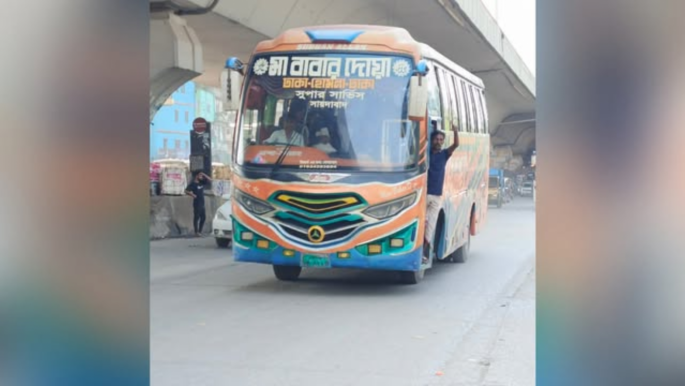
Bdbusinessdaily.com – Commuters travelling across Dhaka and nearby areas began paying more for bus journeys on 21 September after fuel prices rose by Tk20 per litre. On a number of public-transport routes, passengers encountered fare increases ranging from Tk5 to Tk10.
The change affects everyday travel for people who rely on buses to reach workplaces, schools, markets, hospitals and other destinations throughout the capital and its surrounding communities. Even a relatively small increase on an individual trip can become significant for passengers who make several journeys a day or travel with family members.
Increases Seen on Multiple Routes
The higher fares were reported on various Dhaka city routes as well as services connecting the capital with nearby areas. The amount added to a journey differed by route, with increases generally falling between Tk5 and Tk10.
Bus travel remains a central part of daily mobility in Dhaka, where large numbers of residents depend on public transport rather than private vehicles. Fare changes therefore have an immediate effect on household travel costs, particularly for regular passengers whose budgets are already planned around fixed daily expenses.
The increases followed the government’s decision to raise fuel prices by Tk20 per litre. Fuel is a major operating expense for transport services, and changes in its price can quickly influence the cost of running buses on city and suburban routes.
Impact on Daily Commuters
For passengers, the most visible consequence is the amount paid at the time of travel. A Tk5 increase may appear limited on one journey, but the added cost becomes more noticeable for workers travelling to and from their jobs, students attending classes, and people who need to make several stops during the day.
Many bus users do not have an easy alternative when fares rise. Walking may not be practical over longer distances, while other transport options can cost substantially more. This makes fare adjustments especially important for residents whose daily routines depend on affordable access to public transport.
The impact can also vary between neighbourhoods. People travelling short distances may see a smaller change in total spending, while commuters using buses for longer or repeated trips could face a larger increase over the course of a week or month.
Fuel Costs and Transport Expenses
The fuel-price hike has created immediate pressure on the cost of operating public transport. Buses require fuel for every trip, and operators must account for these expenses while maintaining regular services on busy routes.
In a city where roads are often crowded and journeys can take longer than expected, fuel consumption is an important issue for bus services. Longer travel times can mean more fuel is used during a single trip, adding to the financial burden created by a per-litre price increase.
Passengers are likely to pay close attention to how the revised fares are applied across different routes. Clear communication about fares is important because commuters need to know what they should expect to pay before starting a journey, especially where several buses serve similar destinations.
A Change Felt Beyond the Fare Box
The rise in bus fares is not only a transport issue. It also affects the wider cost of daily life in Dhaka. Workers may need to adjust their commuting budgets, families may reconsider how often they travel, and small businesses that depend on regular movement of staff or customers may also feel indirect effects.
For people travelling from surrounding areas into the capital, the issue can be particularly important. These journeys are often necessary for employment, education, medical appointments and access to services that may not be available closer to home.
The fare adjustments introduced on 21 September underline the close connection between fuel prices and public transport costs. When the price of fuel changes sharply, passengers often experience the effect quickly through the amount required for a bus trip.
As Dhaka commuters continue their daily travel, the Tk5 to Tk10 increases on affected routes will remain a practical concern. The immediate question for passengers is simple: how much more will a regular journey cost, and how will that additional expense fit into an already crowded monthly budget?
Related Reading
Frequently Asked Questions
What is Bus fares up Tk5 10 on Dhaka?
Bus fares up Tk5 10 on Dhaka is the main topic of this guide. The article explains the context, practical details, and next steps readers should understand.
Why does Bus fares up Tk5 10 on Dhaka matter?
Bus fares up Tk5 10 on Dhaka matters because readers are looking for a useful answer, not just a short summary. Good content should match search intent and help them decide what to do next.