Fuel Protests Grow as Global Energy Supplies Tighten
Bdbusinessdaily.com – Rising fuel prices fuel protests in several countries as pressure on global energy supplies pushes up the cost of petrol, diesel, kerosene and heating oil. The effects are being felt by households, transport operators, businesses and essential services, particularly in countries that rely heavily on imported fuel.
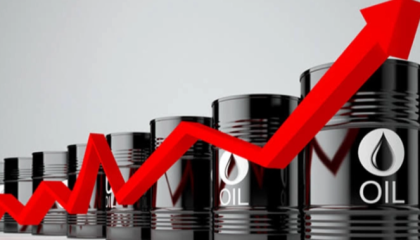
Oil prices have risen above $100 per barrel, increasing costs throughout the economy. Higher fuel bills can quickly make food, freight, public transport and other everyday necessities more expensive, leaving governments under pressure to offer subsidies, tax relief or targeted financial support.
Households and transport face higher costs
In the United States, motorists are already paying more for petrol, while winter heating-oil bills could rise by as much as 30%. That would add to the burden on households already managing high spending on rent, food and transport.
Diesel costs also affect far more than private vehicles. Freight companies, farmers, bus operators, emergency services and supply chains all depend on it. When diesel becomes more expensive, businesses may pass on some of the added cost to consumers.
Syria demonstrations expand beyond fuel prices
In Syria, protests began after authorities temporarily raised diesel prices by about 40%, bringing the price to 175 Syrian pounds, or $1.43, per litre. Gas prices also increased by more than 25%.
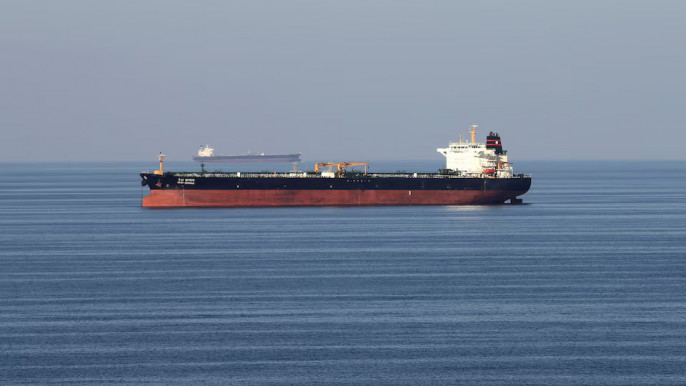
Demonstrators burned tyres, blocked the Hasaka-Deir ez-Zor highway and stopped oil tankers, while further protests were reported in Aleppo. The unrest was described as Syria’s largest since the Assad regime fell two years ago.
While fuel costs sparked the demonstrations, wider concerns over falling purchasing power and weak public services have given the protests a more political character. The Energy Ministry linked the increases to higher international prices and maintenance work at the Baniyas refinery, which has increased Syria’s dependence on imported fuel.
Governments weigh relief measures
Guatemala has also experienced demonstrations over fuel costs, with truckers and other protesters blocking highways and holding peaceful rallies in Guatemala City. Congress is considering legislation to limit fuel prices through the end of the year by supporting importers with subsidies.
Diesel is especially important to Guatemala’s economy because it underpins freight transport. For truckers, higher prices immediately increase delivery costs for food, construction materials and other essential goods.
In Portugal, about 80 people marched in Espinho to the home of Prime Minister Luís Montenegro to protest expensive fuel and rising living costs. The government has announced support for freight transporters, taxi drivers, volunteer fire services and the social sector.
The Portuguese Firefighters’ League has warned that higher fuel bills are becoming unsustainable for volunteer brigades. In France, around 50 fishermen blockaded a major fuel depot in Fos-sur-Mer for several hours, arguing that fuel and operating costs have placed the fishing industry under severe strain.
Why rising fuel prices matter
Rising fuel prices fuel protests because energy costs reach almost every part of daily life. Families face higher travel and heating bills, while businesses confront increased costs for deliveries, production and services. Targeted aid can ease immediate hardship, but countries that depend on imports remain vulnerable when global supplies are disrupted.
FAQ: Managing Higher Fuel Costs
Why do fuel prices rise so quickly?
Fuel prices can increase rapidly when oil supplies are disrupted, international energy markets become more expensive or countries face refinery and import problems. Taxes, transport costs and currency movements can also affect the final price paid by consumers.
Which sectors are most affected by higher diesel prices?
Road freight, farming, fishing, public transport, emergency services and construction are among the sectors most exposed because diesel is a major operating expense.
What can governments do to reduce the impact?
Governments may provide temporary subsidies, tax relief or direct support for heavily affected groups such as transport operators, farmers, emergency services and low-income households. Such measures can reduce immediate pressure, though they can also place a significant burden on public finances.