Oman Meeting Set to Address Hormuz Tensions Without Immediate Deal
Bdbusinessdaily.com – Iran and several Gulf countries are expected to meet in Oman on Monday for discussions that may include the future of shipping through the Strait of Hormuz, though no signed agreement is anticipated at this stage.
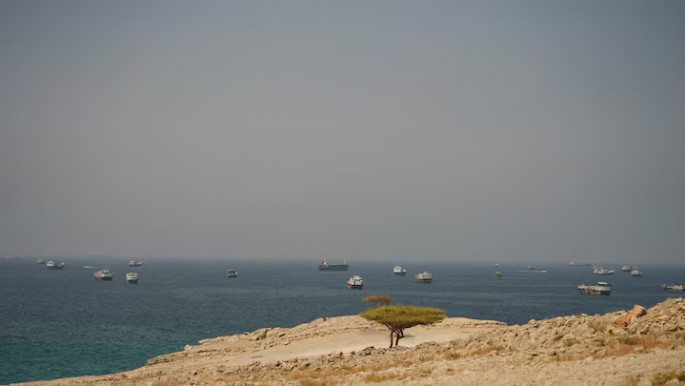
The gathering comes after months of talks between Tehran and Muscat over arrangements for vessels using the narrow waterway. Oman controls the shore opposite Iran along the strait and has said its diplomatic engagement has the backing of other Arab states in the Gulf.
A senior Iranian official said the meeting was initiated by Oman and would offer a wider setting for regional dialogue, rather than serving solely as a final negotiating session on Hormuz. The official spoke anonymously while discussing the plans.
A critical route for global energy
The Strait of Hormuz is one of the world’s most consequential maritime passages because it links the Gulf with the wider international shipping network. Before the United States and Israel attacked Iran in February, beginning the war, roughly one-fifth of global oil supplies passed through the waterway.
That importance means disruption in the strait can quickly affect energy markets far beyond the Middle East. Oil prices have climbed sharply over the past week after the United States and Iran both fired on tankers moving through the passage.
The uncertainty has also drawn attention to another strategic maritime chokepoint, the Bab el-Mandeb Strait. Iran’s Houthi allies in Yemen have advanced near that route, which lies on the other side of the Arabian Peninsula and is also vital to oil transport.
Together, the two waterways shape a major share of seaborne energy trade. Any sustained threat to safe passage could force ships to take longer routes, complicate deliveries and increase pressure on an already unsettled oil market.
Disagreement over transit fees remains unresolved
Iran continues to seek an arrangement under which it could charge fees to ships crossing the Strait of Hormuz. Oman rejects that proposal, leaving a central issue unresolved despite the extended negotiations between the two countries.
The difference highlights the difficulty of reaching a broader framework. Tehran’s desire to collect payments from commercial traffic conflicts with Oman’s position, while the consequences of any new system would matter to shipping firms, energy producers and countries dependent on Gulf exports.
Monday’s meeting is therefore expected to be an opportunity to test whether there is room for compromise or at least for further discussion. It is not expected to produce a completed, signed agreement governing transport through the blockaded strait.
Iran announced on Friday that it planned to attend the Oman talks. Muscat has not publicly confirmed the meeting, and other governments in the region have largely avoided comment so far.
Regional participation remains uncertain
Bahrain said on Saturday that it would not take part in meetings with Iran. Its decision underscores the uneven regional response to the planned talks and may limit the extent to which Monday’s gathering can represent a unified Gulf position.
Even so, the meeting could provide a channel for discussing issues beyond Hormuz. The Iranian official indicated that wider regional concerns would also be on the agenda, reflecting the broader security pressures created by the war and rising tensions around key sea lanes.
Oman has often played a diplomatic role between rival parties in the region, and its location gives it particular relevance in any conversation about the Strait of Hormuz. Control of the opposite bank makes Muscat an essential participant in negotiations over movement through the waterway.
For now, expectations remain limited. The planned discussions may clarify the positions of Iran and its Gulf neighbours, but the major dispute over ship transit fees is still unresolved, and no formal Hormuz accord is expected from the meeting.
The immediate concern for markets and maritime operators will remain the security of tanker movements. With oil prices already reacting to attacks in the strait and tensions near Bab el-Mandeb, diplomatic contact in Oman may carry significance even without a signed outcome.
Related Reading
Frequently Asked Questions
What is No signed Hormuz deal expected yet?
No signed Hormuz deal expected yet is the main topic of this guide. The article explains the context, practical details, and next steps readers should understand.
Why does No signed Hormuz deal expected yet matter?
No signed Hormuz deal expected yet matters because readers are looking for a useful answer, not just a short summary. Good content should match search intent and help them decide what to do next.