Electrical electronics exports hit record growth in Bangladesh
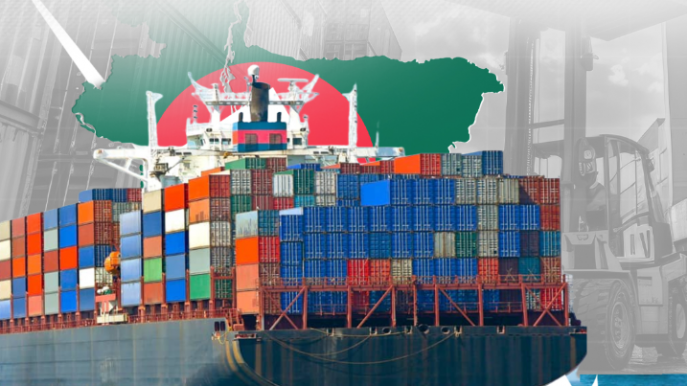
Bdbusinessdaily.com – Electrical electronics exports hit record growth in Bangladesh, with shipments reaching $206.19 million in FY2025-26. The total marked a 23.82% rise from $166.52 million in the previous fiscal year, underlining the sector’s growing contribution to the country’s export diversification.
Electrical products became the largest foreign-exchange earner among engineering goods. Bicycle exports also performed strongly, rising 29.71% to $151.04 million, while overall engineering-sector exports increased 21.77% to $652.15 million.
Although electrical electronics exports hit record levels, manufacturers face more demanding conditions in the European market. New European Union requirements are placing greater attention on sustainability, supply-chain transparency, product durability and repair options.
EU sustainability rules create new export requirements
The European Union’s Ecodesign for Sustainable Products Regulation, or ESPR, came into force in July 2024. The framework can introduce Digital Product Passports, durability requirements and limits on the destruction of certain unsold goods.
Digital Product Passports are not yet compulsory for every electronic product sold in Europe. However, the EU is expected to introduce product-specific obligations through delegated acts. Exporters affected by these rules may need to provide information about materials, components, environmental performance, product lifespan and repairability.
For Bangladeshi producers, access to European buyers may increasingly depend on more than price, quality and conventional safety certification. Businesses may need stronger documentation on sourcing, manufacturing processes, warranties and after-sales service.
Imported inputs make traceability difficult
Bangladeshi manufacturers rely heavily on imported raw materials and components, particularly from China and Vietnam. This can make it difficult to trace supply chains fully or calculate a product’s carbon footprint when inputs pass through several countries before reaching Bangladesh.
Mohammad Ali, senior vice-president of the Bangladesh Electrical Merchandise Manufacturers Association, or Bemma, said the association has been preparing businesses through workshops covering product origin, warranties, repairability, after-sales support and required documentation.
“We are already working on a product basis, product origin, product warranty, and after-sales service – whether a product is repairable or not,” he said.
Ali said the sector also needs stronger domestic testing facilities to assess products against European and other Western-market standards. Bemma has approached the commerce and industries ministries for support in establishing such capacity.
“For the electrical sector, we think there should be an individual common facility centre,” he said.
A common testing centre could help smaller exporters in particular. Larger manufacturers may be better able to maintain internal laboratories or seek certification abroad, while smaller companies can face higher costs and longer delays without local testing support.
Compliance readiness could shape future growth
Electrical electronics exports hit record growth at a time when overseas buyers are becoming more selective about sustainability and supply-chain information. Manufacturers that improve traceability, product documentation and repair support may be better placed to retain and expand their presence in international markets.
For firms previously focused mainly on domestic sales, exporting requires adjustments in technical compliance, paperwork, warranties and customer service. These changes may be challenging, but they can also help producers build greater credibility with global buyers.
FAQ: Bangladesh electrical and electronics exports
Why did electrical electronics exports hit record growth?
Exports reached $206.19 million in FY2025-26, up 23.82% from $166.52 million a year earlier. The growth reflects stronger overseas demand and the sector’s expanding role within Bangladesh’s engineering exports.
What is the main challenge for exporters to Europe?
EU sustainability rules may require more detailed information on materials, components, product durability, repairability and environmental performance. Exporters must strengthen supply-chain records and compliance processes.
Why are local testing facilities important?
Local testing capacity could help Bangladeshi producers verify that electrical goods meet overseas standards without relying heavily on foreign laboratories. This could reduce costs and delays, especially for smaller businesses.