
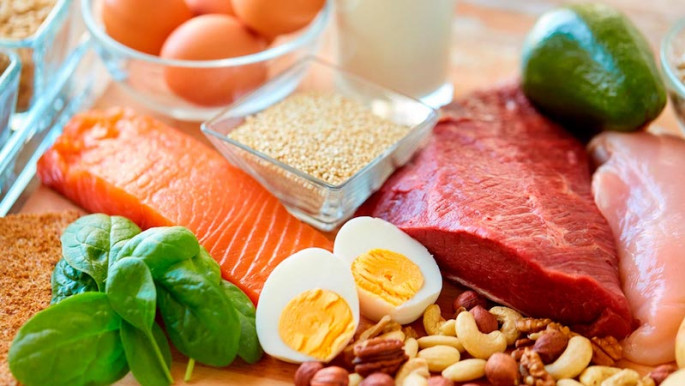
Bangladesh’s Food Basket Is Becoming More Diverse as Rice Consumption Declines
Bdbusinessdaily.com – A typical Bangladeshi plate has long been defined by rice, often paired with lentils, vegetables or a small serving of fish. That pattern is changing. Rice remains central to daily meals, but its dominance has eased over the past two decades as households add more fruit, vegetables, fish and animal protein to their diets.
National household consumption figures collected across four rounds of the Household Income and Expenditure Survey, conducted by the Bangladesh Bureau of Statistics between 2005 and 2022, show a notable transformation. Average daily rice intake per person fell by 25.2% over the period, while several other food groups expanded rapidly.
The shift has also occurred alongside a wider change in household spending. As poverty declined and incomes rose, food took up a smaller part of the average family budget, while expenses such as housing, transport, education, healthcare and communications claimed a larger share.
The change reflects relatively rising incomes, urbanisation, improved awareness of nutrition, and changing lifestyles,
said Dr Fahmida Khatun, distinguished fellow at the Centre for Policy Dialogue.
Rice still leads, but by a narrower margin
In 2005, the average Bangladeshi consumed 439.6 grams of rice each day. By 2022, that amount had dropped to 328.92 grams. The reduction does not mean rice has lost its place as the country’s main staple. Instead, it suggests that meals are being supplemented by a broader mix of foods.
Vegetables continued to hold second place among the most consumed food categories. Daily per-person vegetable consumption grew from 157 grams in 2005 to 201.92 grams in 2022, an increase of 28.6%.
The changing balance between the two foods is especially revealing. In 2005, rice consumption was about 2.8 times higher than vegetable consumption. By 2022, the ratio had narrowed to roughly 1.6 times. This points to a plate that, on average, contains less reliance on a single carbohydrate source and more space for other ingredients.
Potato intake rose more gradually, increasing by 10%, from 63.3 grams to 69.7 grams per person per day.
Fruit consumption shows the strongest change
Fruit experienced one of the most dramatic rises in the national diet. Average daily consumption almost tripled, moving from 32.5 grams per person in 2005 to 95.4 grams in 2022. That represents a 193.5% increase.
This growth pushed fruit from fifth place to third in the national consumption ranking. It moved ahead of both potatoes and fish, reflecting how rapidly fruit has become part of the expanding food basket.
The rise matters because food diversity can improve the range of nutrients available in everyday diets. However, higher consumption of one category does not by itself determine the overall nutritional quality of a household’s meals. The wider balance of foods, preparation methods and portions also matters.
Fish remains important despite falling in rank
Fish continues to be a major component of Bangladeshi diets. Per-capita consumption rose by more than 60%, from 42.1 grams a day in 2005 to 67.83 grams in 2022.
Even so, fish moved from fourth to fifth in the consumption ranking. The lower rank does not signal a reduction in fish eating. Rather, foods such as fruit and poultry expanded at a faster pace, altering their relative positions in the national diet.
This is an important distinction: a ranking can fall even when actual consumption rises. Fish remains far more widely consumed than many types of meat, and its continued growth shows that it remains a key source of protein for households.
Poultry, meat and eggs gain a larger role
Animal protein recorded some of the fastest increases between 2005 and 2022. Chicken and duck consumption climbed from 6.8 grams per person per day to 26.17 grams, a rise of 285%. This expansion moved poultry from 13th place in the food-consumption ranking to ninth.
Beef intake rose from 7.8 grams to 11.66 grams daily, an increase of about 49.5%. Mutton consumption more than doubled, growing from 0.6 grams to 1.28 grams per person per day, or 113%.
Egg consumption also increased sharply, from 5.2 grams to 12.73 grams per person per day. Pulses rose from 14.2 grams to 17.15 grams, a gain of about 20.8%, although they slipped from ninth to 11th place because other categories grew more quickly.
Milk and dairy products changed little by comparison. Their average daily consumption rose only 5.2%, from 32.4 grams in 2005 to 34.1 grams in 2022.
The quantities of meat, poultry and eggs remain much smaller than consumption levels for rice, vegetables, fruit, potatoes and fish. Still, the trend is clear: protein from animal sources is becoming more prominent in household food choices.
A more varied diet also brings health questions
Greater dietary variety does not automatically mean every aspect of eating patterns is healthier. Consumption of edible oil increased by 87%, from 16.5 grams per person per day in 2005 to 30.85 grams in 2022.
Higher intake of oil, along with greater consumption of sugar and animal fats, can complicate the health implications of a more diverse food basket. The figures show that households are gaining access to a wider range of foods, but they also underline the importance of balanced choices and moderation.
Food takes a smaller share of household budgets
The dietary change is mirrored in how families allocate their money. In 2005, food represented 53.8% of average household expenditure, while non-food items accounted for 46.2%. At that time, roughly 40% of the population lived in poverty.
By 2022, when the national poverty rate had declined to 18.7%, food’s share of average household spending had fallen to 45.8%. Non-food expenditure rose to 54.2%.
The transition occurred sometime between 2010 and 2016, when non-food spending overtook food spending. This reflects the broader demands placed on households as living standards change: feeding the family remains essential, but so do rent, mobility, schooling, medical care and communication.
Bangladesh’s evolving food basket therefore tells a larger story than a decline in rice consumption. It captures changing incomes, urban lifestyles and household priorities. Rice remains indispensable, yet the familiar rice-centred meal is increasingly sharing space with a more varied selection of foods.
Related Reading
Frequently Asked Questions
What is Rice intake falls 25 we are now?
Rice intake falls 25 we are now is the main topic of this guide. The article explains the context, practical details, and next steps readers should understand.
Why does Rice intake falls 25 we are now matter?
Rice intake falls 25 we are now matters because readers are looking for a useful answer, not just a short summary. Good content should match search intent and help them decide what to do next.